
Master balcony solar systems. Learn UL 3700 safety rules, the 800W plug-in limit, and how to cut apartment electricity bills by up to 25% with zero-drill setups.
Introduction: What Is Balcony Solar?
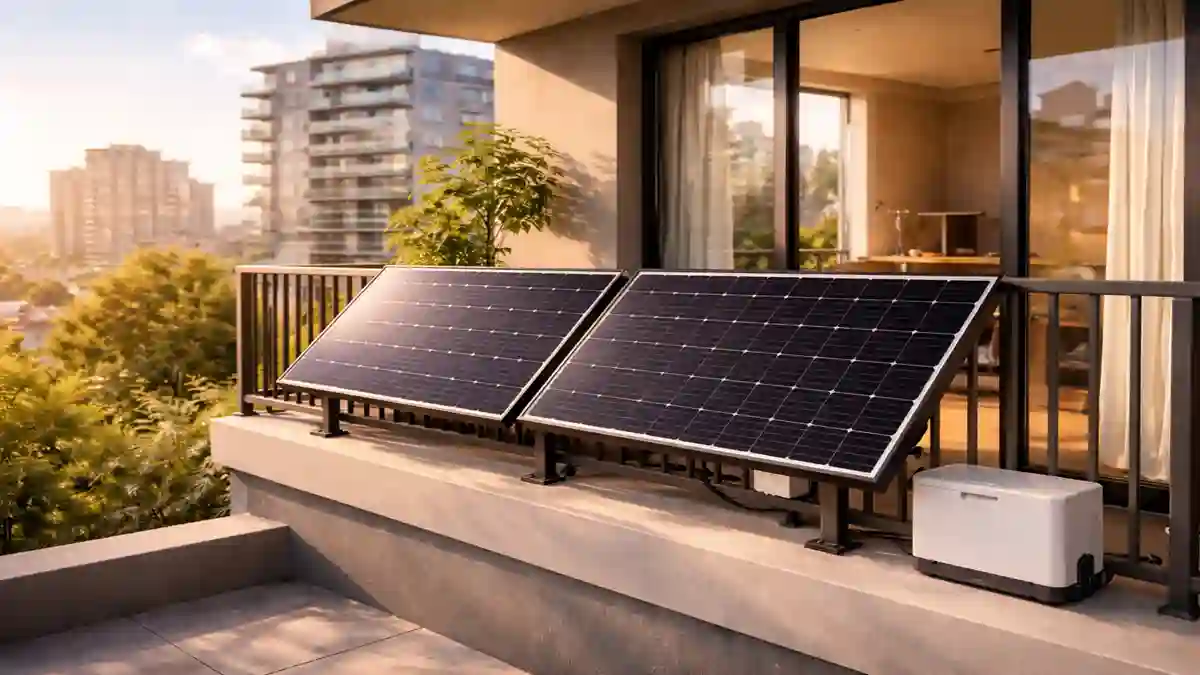
Balcony solar panels are a compact renewable energy solution designed for urban apartments and homes. Unlike traditional rooftop systems, these panels can be mounted on balcony railings, walls, or small stands, making them accessible for renters or residents without roof access.
By converting sunlight into electricity, balcony solar systems allow residents to power lights, laptops, and essential appliances. They offer a practical way for urban dwellers to reduce their electricity bills, lower their carbon footprints, and achieve partial energy independence.
Key Benefits:
- Affordable, small-scale renewable energy solution
- Easy to install without altering the property
- Reduces reliance on the electricity grid
- Environmentally friendly and carbon-conscious
In 2026, these systems are increasingly popular in the United States, United Kingdom, and Australia, especially in cities where rooftop installations are limited or unavailable.
How Apartment Solar Panels Work
Balcony solar, also referred to as a balcony PV system, operates by capturing sunlight through photovoltaic panels, converting it into electricity, and supplying it to the apartment’s power circuits.
System Components:
- Photovoltaic (PV) Panels: Small panels designed to fit balcony spaces efficiently
- Micro-Inverter: Converts DC electricity from the panels into AC electricity suitable for home use
- Plug-In or Grid-Tied Options: Some systems connect directly to a standard outlet, while others feed excess electricity back to the grid
- Optional Energy Storage: Small batteries store surplus power for evening or cloudy-day use
These systems are modular and scalable, ideal for renters, apartment owners, or anyone starting with small-scale renewable energy solutions.
Types of Balcony Solar Systems
Balcony solar systems vary in terms of installation complexity, energy output, and storage options.
Plug-and-Play Systems
Designed for easy DIY installation, these units can be connected to a standard outlet and start generating electricity immediately.
Advantages:
- No professional installation required
- Low upfront cost
- Perfect for renters or temporary setups
Grid-Tied Balcony PV Systems
These systems allow excess electricity to be sent back to the grid, potentially earning credits or incentives from utilities. While a simple permit may be required, the financial benefits and energy efficiency gains are significant.
Advantages:
- Utility credits for unused electricity
- Supports larger energy needs
- Fully compatible with city energy infrastructure
Applications of Balcony Solar Systems
Balcony solar panels are versatile and fit a variety of living situations:
Apartment & Rented Flats:
- Partial energy independence for lights and small appliances
- Easy, zero-drill installation; portable when moving
Off-Grid & Remote Living:
- Backup power during outages
- Integrates with home BESS for night or cloudy-day use
Tiny Homes & Micro-Apartments:
- Space-saving energy solution
- Compatible with AI optimization for smarter energy use
Shared or Multi-Family Buildings:
- Personal energy management
- Contributes to building-wide sustainability
Temporary & Mobile Setups:
- Plug-in and portable systems for short-term living
- Eco-friendly energy without long-term commitment
Key Takeaway:
Balcony solar suits apartments, rentals, off-grid living, tiny homes, and temporary setups—helping residents save electricity while embracing sustainable energy.
Balcony Solar AI Optimization
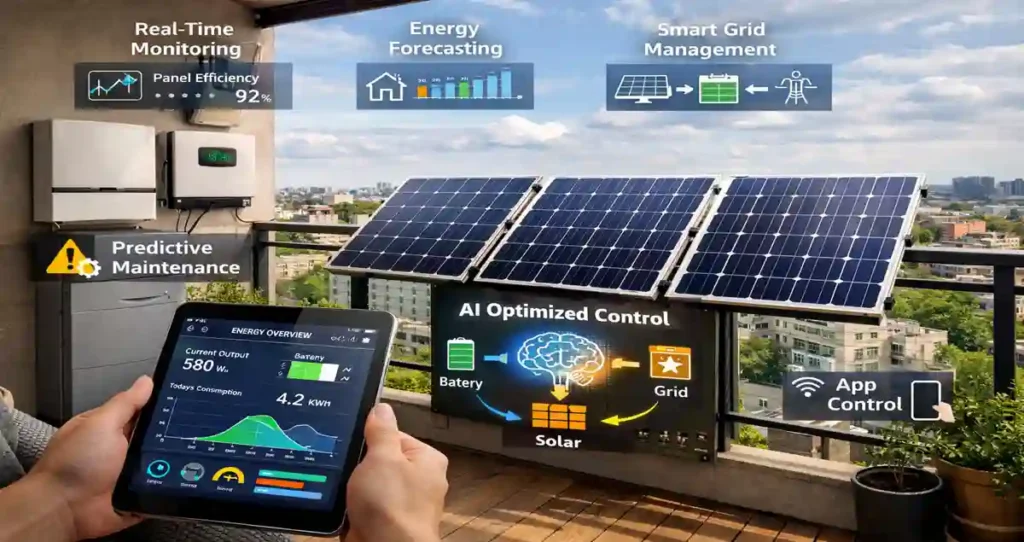
Modern balcony solar systems can leverage AI-powered energy management to optimize performance, monitor efficiency, and extend the lifespan of panels, inverters, and batteries.
How AI Enhances Balcony Solar Systems:
- Real-time Performance Monitoring: Tracks panel output and system efficiency, identifying underperforming units.
- Predictive Maintenance Alerts: Detects potential faults in panels, inverters, or BESS units before they cause downtime.
- Energy Usage Forecasting: Predicts apartment energy consumption, optimizing the use of stored BESS energy.
- Automated Grid Management: For hybrid setups, AI manages energy flow between panels, battery storage, and the grid to maximize savings.
- App Integration: Residents can monitor performance, receive alerts, and control energy usage from mobile apps or dashboards.
By integrating AI optimization, balcony solar systems can minimize electricity bills, ensure smarter energy management, and maintain safer, more efficient operations. This makes AI-enabled balcony solar a practical solution for apartment residents looking to save on energy costs while adopting sustainable energy.
Balcony Solar System with Battery (Home BESS Systems)
Adding a battery to a balcony solar system turns it into a home BESS system (Battery Energy Storage System), allowing residents to store excess solar energy for later use. While traditional plug-in balcony solar panels generate electricity only during the day, a home BESS system ensures you can use solar energy at night, during cloudy days, or even in power outages.
The integration of a home BESS system with balcony solar makes your apartment more energy independent, reliable, and sustainable. Modern BESS units are compact and designed specifically for apartment or small-space installations, so residents can enjoy the benefits of stored solar energy without taking up too much room.
How Home BESS Systems Work:
- Balcony solar panels capture sunlight and convert it into electricity
- Excess electricity is stored in the BESS for later use
- The stored energy powers lights, small appliances, or electronics after sunset
- Some systems allow grid-tied integration to feed excess electricity back to the grid
Key Benefits of Balcony Solar with Home BESS Systems:
- Increased Energy Independence: Less reliance on the grid, reducing electricity bills and exposure to peak-hour rates
- Reliable Off-Peak Electricity: Store daytime solar energy to use when the sun isn’t shining
- Apartment-Friendly Design: Compact units designed for balconies and limited spaces
- Optimized Energy Usage: Prevents wasting excess solar generation by storing it for later use
- Scalable Options: Start with a small home BESS system and expand as your energy needs grow
Types of Home BESS Systems for Apartments:
- Lithium-Ion Batteries: High efficiency, long lifespan, lightweight, and compact
- Lead-Acid Batteries: Affordable, heavier, lower efficiency, suitable for smaller setups
- Smart BESS Units: Some include energy management software or mobile apps to monitor usage and optimize stored energy
Safety Considerations:
⚠️ Always choose UL-certified BESS and inverters to prevent fire hazards and ensure anti-islanding protection.
⚡ Follow all manufacturer instructions carefully. For grid-tied systems, hiring a licensed electrician is recommended to avoid electrical shocks or equipment damage.
Balcony Solar Inverter: What It Is and Why It Matters
A balcony solar inverter is the core component that converts the electricity generated by your solar panels into usable power for your apartment. Solar panels produce direct current (DC) electricity, but home appliances run on alternating current (AC). The inverter performs this critical conversion, making the energy safe and usable inside your home.
Without a properly sized and certified inverter, even the best apartment solar panels cannot function efficiently. For small balcony installations, choosing the right inverter is essential for safety, efficiency, and compliance with local regulations.
Types of Balcony Solar Inverters
For apartment systems, there are two primary solar inverter options:
Microinverter (Most Recommended)
A balcony solar microinverter is installed directly behind each panel. It converts DC to AC at the panel level.
Advantages:
- Higher efficiency in partially shaded balconies
- Each panel operates independently
- Easier expansion if you add more panels later
- Safer for small residential systems
- Ideal for integration with home BESS systems
Microinverters are the preferred choice for plug-in and small-scale urban setups because they maximize output even if one panel is shaded by railings or nearby buildings.
Central (String) Inverter
Less common for balcony systems, central inverters connect multiple panels into one unit.
Advantages:
- Lower upfront cost for larger systems
- Suitable for rooftop or multi-panel installations
However, for apartments, central inverters are usually not ideal because shading on one panel can reduce the performance of the entire system.
Balcony Solar Inverter and Home BESS Systems
If you plan to add battery storage, the inverter must be compatible with home BESS systems. Some setups require a hybrid inverter, which can:
- Manage solar panel input
- Charge the battery
- Supply AC power to the apartment
- Safely disconnect during grid outages (anti-islanding protection)
When combining balcony solar with a home BESS system, always verify compatibility between:
- Solar panels
- Inverter or microinverter
- Battery storage unit
Safety and Certification Requirements
Because apartment buildings are high-density environments, inverter safety is critical.
Certification Warning:
Ensure your balcony solar inverter is UL 1741 or UL 3700 certified. This guarantees anti-islanding protection and prevents backfeeding electricity into the grid during outages.
Electrical Safety Note:
Improper inverter installation can cause electrical shock, fire risk, or system failure. If connecting to your apartment’s electrical panel or integrating with a home BESS system, consult a licensed electrician.
Balcony solar panels USA
Legal clarity is crucial. Utah currently leads in legal recognition for apartment solar systems, but other states are gradually establishing rules for micro-generation.
What You Need to Know:
- Check state regulations regarding small-scale solar
- Confirm HOA or building management rules
- Some areas may require a simple electrical permit
- Complying ensures safety and avoids fines
Understanding legal requirements ensures a safe, compliant installation and encourages broader adoption of renewable energy solutions.
Cost & ROI of Balcony Solar
Balcony solar systems are a practical way for apartment residents to reduce electricity bills, but costs and payback vary depending on panel size, inverter type, and whether you add battery storage. While plug-in panels are compact and easy to install, adding a home BESS system (battery energy storage system) allows you to store surplus energy for evening use, increasing independence but extending the payback period.
Here’s a realistic breakdown of typical costs and expected ROI for apartment-friendly setups:
| Component | Estimated Cost (USD) | Realistic ROI Impact |
|---|---|---|
| PV Panel | $150 – $350 | 3–6 years, depending on sunlight exposure |
| Micro-Inverter | $100 – $250 | Improves efficiency; contributes to faster overall ROI |
| Battery Storage (Optional, Home BESS) | $400 – $800 | 6–10+ years (adds backup and off-peak usage, slower ROI) |
| Mounting Hardware | $50 – $100 | Required for installation; no direct savings |
| Total Basic System (400–800W) | $300 – $700 | 3–7 years typical payback |
| System with Home BESS | $800 – $1,500+ | 7–12 years typical payback |
How ROI Is Calculated
The above ROI assumes:
- 3–4 peak sun hours per day (typical for urban apartments)
- Electricity rates of $0.15–$0.25 per kWh
- Annual energy production of ~450–900 kWh, depending on panel size and orientation
Factors that affect ROI:
- Partial shading from neighboring buildings
- Balcony orientation (south-facing preferred)
- Limited plug-in power (800W max in some jurisdictions)
- Lack of net metering or restrictions on exporting excess energy
Is Balcony Solar Worth It?
Balcony solar is not a “get-rich-quick” solution. In realistic urban conditions, it offers:
- 10–25% reduction in apartment electricity bills
- Greater energy independence and backup during outages
- Contribution to sustainable living and a lower carbon footprint
- Potential for long-term savings as electricity rates rise
Adding a home BESS system increases convenience and resilience but comes with a longer payback. For many apartment residents, the real value lies in stability, sustainability, and reduced dependency on the grid, rather than rapid financial return.
Balcony Solar vs Rooftop Solar
While balcony solar is ideal for compact urban apartments, rooftop solar provides full-home coverage.
Key Differences:
- Balcony solar: Affordable, DIY-friendly, small footprint
- Rooftop solar: Higher energy output, professional installation, larger investment
- Balcony systems are perfect for renters and limited spaces, while rooftop systems suit full-home energy independence
Both options contribute to sustainable living, but balcony PV systems are low-cost, low-risk entry points into solar energy adoption.
Installation Guide for Apartments
Installing a balcony PV system requires planning and safety precautions. Start by checking building rules or HOA policies, then measure sunlight exposure. Select compatible mounting brackets, micro-inverters, and optional battery storage. Install securely, connect safely, and monitor performance.
⚠️ Certification Warning: Ensure the micro-inverter is UL 1741 or UL 3700 certified for “anti-islanding” protection, preventing shocks if the grid goes down.
⚡ Electrical Safety Warning: Balcony systems involve high-voltage electricity. Always turn off the breakers before wiring, use insulated tools, and avoid contact with live wires. Consider hiring a licensed electrician if unsure. Improper installation can cause electric shock, fire, or equipment damage.
Tips for Safe Installation:
- Measure sunlight exposure before setup
- Use proper mounting hardware
- Test the system before daily use
- Consider battery storage for off-grid reliability
Balcony Solar Maintenance
Regular maintenance keeps your balcony solar system efficient and safe. Even small dust or debris buildup can reduce output by 15–20%.
Key Tasks:
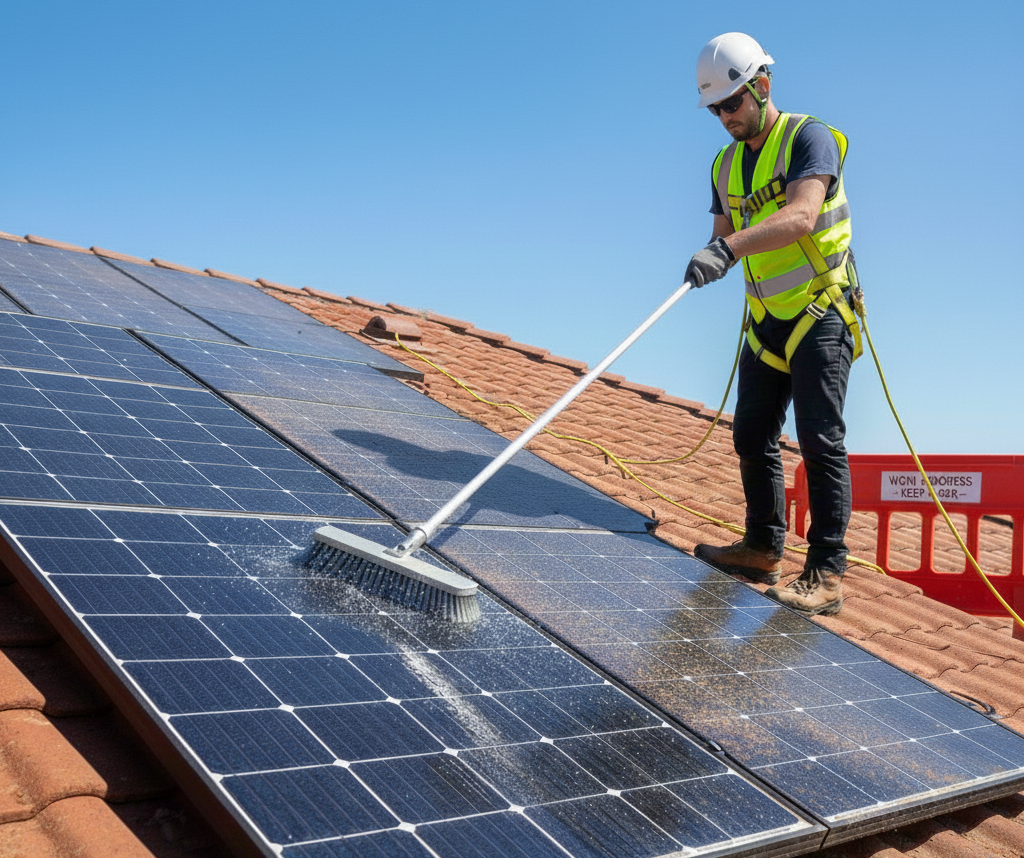
- Clean Panels: Use a soft solar brush or solar cleaner; avoid harsh chemicals.
- Check Connections: Inspect MC4 connectors for tightness, corrosion, or damage.
- Battery & Inverter: For home BESS systems, monitor charge levels, keep batteries cool, and check inverter status.
- Panel Inspection: Look for cracks, shading changes, or damage.
Quick Schedule:
- Monthly: Dust panels, check connectors
- Quarterly: Check battery and inverter
- Annually: Professional inspection
Proper maintenance ensures your system lasts longer, stays safe, and produces maximum energy.
The Future of Balcony Solar
Balcony solar represents the future of urban energy independence. It allows apartment residents to reduce reliance on the grid, participate in renewable energy, and adopt sustainable living practices.
As legal frameworks expand, more states will recognize balcony solar, making it easier for residents to install systems safely and legally. This creates a distributed energy network, reducing grid strain and promoting urban sustainability.
Apartment balcony solar is affordable, practical, and scalable, providing measurable savings while supporting environmental responsibility. With proper installation, certified equipment, and optional energy storage, balcony solar empowers urban residents to contribute to a greener future.
Frequently Asked Questions (FAQ)
Can renters install balcony solar?
Yes, plug-and-play systems are renter-friendly and require no rooftop access.
How much energy will it produce?
Energy output depends on panel size, sunlight exposure, and system configuration. Even small setups can reduce electricity bills.
Is it legal in my state?
Utah has clear regulations; other states vary. Check local rules and HOA policies.
What about safety?
Use UL-certified inverters, follow manufacturer instructions, and hire a licensed electrician if necessary.