
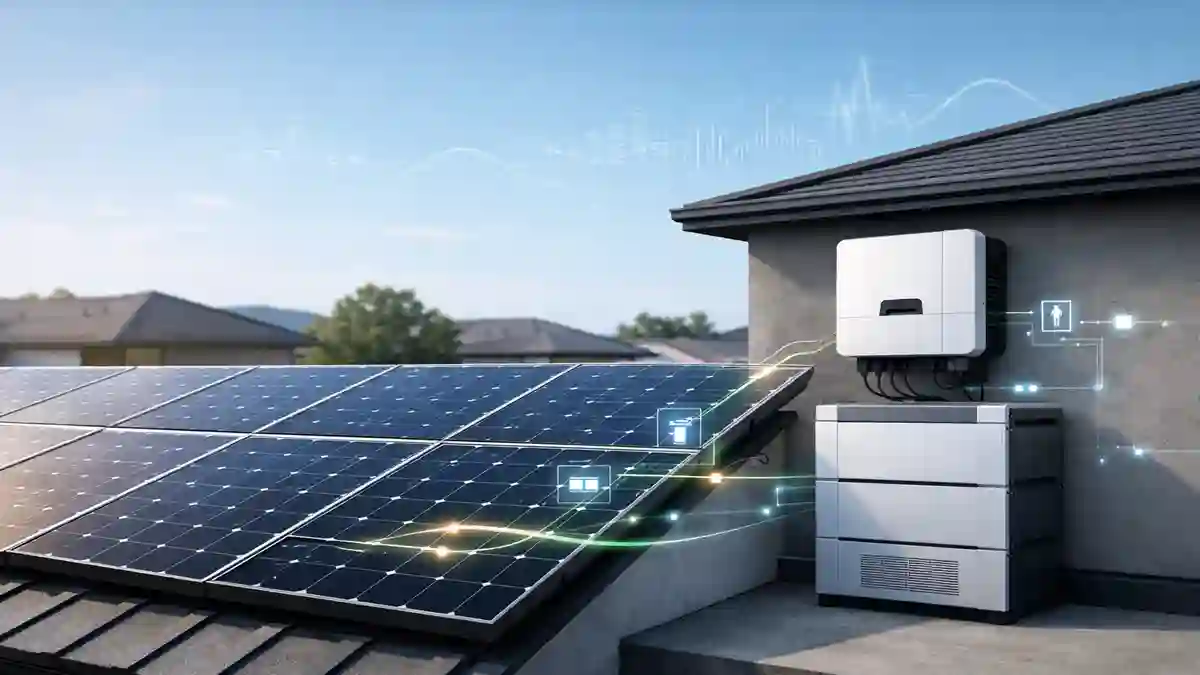
Discover the 2026 10kW solar system cost, 10kW solar panel specs, and AI-optimized solar power system with battery backup for maximum energy savings and independence.
Whether you are in the USA, Australia, India, Pakistan, or the UK, a 10kW solar system can transform your energy usage, cut electricity bills, and provide a sustainable solution for the future.
As an engineer, I receive almost daily enquiries to design 10kW solar systems for homes and businesses. These requests highlight the growing demand for this versatile and high-performance system.
In this guide, we will explore everything you need to know about a 10kW solar system in 2026: cost, solar panels, battery backup, and daily production.
Quick Summary: 10kW Solar System at a Glance
- Ideal For: 4–5 bedroom homes, large families, or small offices with monthly bills of 900–1,200 units.
- Panel Requirement: Typically 16–18 high-efficiency panels (using modern 580W–650W modules).
- Daily Generation: Expect 38–45 kWh per day (varies by location and sun hours).
- Estimated Payback: Between 2.5 to 4 years, depending on local electricity tariffs and net metering.
- Space Needed: Approximately 600–700 sq ft of shade-free rooftop area.
What is a 10kW Solar System?
A 10kW solar system is a medium-to-large installation designed for families, residential complexes, and small commercial properties. It is a complete energy solution that combines several components to generate, store, and manage electricity efficiently.
Core Components:
- Solar Panels: High-efficiency N-Type TOPCon or bifacial panels, typically 16–18 modules of 580–650W each in 2026 setups.
- Solar Inverter: Converts DC electricity from panels into usable AC electricity for your home. Hybrid or AI-enabled inverters optimize energy usage.
- Battery Storage: LiFePO4 or lithium-ion batteries store energy for nighttime use or periods of low sunlight. Typical storage: 10–15 kWh for a 10kW system.
- Controller & MPPT (Maximum Power Point Tracking): Ensures the panels operate at maximum efficiency while protecting the system.
- MC4 Connectors & Wiring: Secure, weatherproof connections between panels, inverters, and batteries.
- Mounting & Accessories: Racks, brackets, and tilt mounts for proper panel orientation; cleaning tools like solar brushes and safe cleaning solutions for maintenance.
Key Features:
- Scalable Design: Can be expanded with additional batteries or panels for higher energy demands.
- Daily Output: 40–50 kWh/day in areas with good sunlight.
- Household Coverage: Can supply nearly 100% of energy needs for large homes.
Types of 10kW Solar Systems
Once you decide on installing a 10kW solar system, the next important step is choosing the type of system that best fits your energy needs and lifestyle. homeowners have several options:
1. On-Grid Solar System (Grid-Tied)
- Description: Connected to the public electricity grid. Excess energy produced can be fed back to the grid, and electricity can be drawn from the grid when solar production is low.
- Benefits:
- Lower initial cost compared to off-grid solar systems
- Net metering allows you to earn credits for excess energy
- Optional battery backup for additional reliability
- Ideal For: Urban homes, areas with stable electricity supply, and homeowners who want to maximize savings via net metering
2. Off-Grid Solar System (Standalone)
- Description: Completely independent from the electricity grid. Energy is stored in batteries for use whenever needed.
- Benefits:
- Full energy independence
- Reliable in areas with frequent power outages or no grid access
- Complete control over energy usage
- Supports a self-sufficient, off-grid lifestyle, perfect for remote or eco-conscious living
- Considerations:
- Higher upfront cost due to batteries
- Requires careful sizing to meet daily energy needs
- Ideal For: Remote locations, rural homes, off-grid living, and areas without a reliable electricity supply
3. Hybrid Solar System
- Description: Combines both on-grid and off-grid features. Connected to the grid with battery storage for backup.
- Benefits:
- Energy security during outages
- Ability to save money via net metering
- Scalable to increase battery storage over time
- Ideal For: Homeowners seeking energy independence with grid support, in regions with unstable grids
4. Net Metering
- Description: Not a separate system, but a billing mechanism for on-grid systems.
- How it Works: Excess energy generated by your 10kW solar system is sent to the grid, and your utility gives you credits to offset electricity consumption when solar production is lower.
- Benefits:
- Reduces electricity bills
- Improves ROI on your solar investment
- Encourages efficient energy usage
- Ideal For: Homeowners with grid access and net metering policies, aiming for maximum cost savings
Engineer’s Insight:
- Hybrid systems for regions with unreliable grids
- On-grid systems for urban homes with stable electricity
- Off-grid systems for remote properties or off-grid living enthusiasts
This ensures that each user gets maximum efficiency, energy independence, and cost savings, no matter their location.
5. AI-Optimized 10kW Solar System
- Description: Modern 10kW solar systems can now leverage solar AI to optimize performance. These systems use data on sunlight patterns, regional climate, household energy consumption, and grid usage to recommend the best configuration for panels, inverters, and battery storage.
- Benefits:
- Maximizes energy output daily by adjusting panel orientation and load management
- Reduces energy wastage and electricity bills
- Predictive maintenance: AI alerts you to potential issues before they impact performance
- Personalized recommendations for battery size, panel count, and inverter capacity based on your region and lifestyle
- Ideal For: Homeowners who want the most efficient, cost-effective, and future-ready solar system
Engineer’s Insight:
As an engineer designing for 10kW solar systems, I strongly recommend integrating AI optimization. It ensures your system is tailored for maximum output and savings, whether you live in the USA, Australia, India, Pakistan, or the UK
10kW Solar System cost
One of the most common questions I receive as an engineer is: “How much does a 10kW solar system cost?” Costs vary by country due to equipment quality, labor charges, and local incentives.
| Country | Avg Cost Range |
|---|---|
| USA | $18,000 – $28,000 |
| Australia | AUD 9,000 – 14,000 |
| India | ₹500,000–700,000 |
| Pakistan | PKR 1.45M–1.85M |
| UK | £12,000 – £18,000 |
Important Notes:
- Prices may vary depending on solar panel type, brand, and battery backup inclusion.
- Installation costs are typically included in these ranges.
- Many countries offer government rebates or incentives that can reduce the final cost.
Note: On-grid setups are currently more affordable, while Hybrid costs remain higher due to LiFePO4 battery storage
Return on Investment (ROI) & Payback for a 10kW Solar System
Understanding ROI is critical when investing in a 10kW solar system. The upfront cost is only part of the story; long-term savings and system efficiency define true value.
Key ROI Drivers
- Energy Savings: With a 10kW system, electricity bills can drop by 70–100%, depending on your local rates and daily consumption.
- High-Efficiency Components: N-Type TOPCon panels and AI-enabled hybrid inverters increase daily energy output, shortening payback periods.
- Battery Backup (Hybrid Systems): Storing energy for evening or cloudy day use increases self-consumption, maximizing cost savings.
- Government Incentives: Tax credits, rebates, or feed-in tariffs can reduce net investment substantially.
Typical Payback Period (2026)
| Region | On-Grid Payback | Hybrid / Battery Payback |
|---|---|---|
| USA | 3–5 years | 4–6 years |
| Australia | 3–4 years | 5–7 years |
| India | 2–3 years | 3–4 years |
| Pakistan | 1.5–3 years | 2.5–4 years |
| UK | 4–6 years | 5–7 years |
ROI & Payback Formula
1. Annual Savings from Solar:Annual Savings ($)=Average Daily kWh Output×365×Electricity Rate ($/kWh)
2. Payback Period (Years): Payback Period = Annual Savings System Cost
3. ROI (% per year):ROI=Total System CostAnnual Savings×100
Example: For a 10kW system generating 45 kWh/day in a region where electricity costs $0.15/kWh:
- Annual Savings = 45 × 365 × 0.15 = $2,463
- If Total System Cost = $25,000 → Payback Period ≈ 10 years
- ROI = (2,463 ÷ 25,000) × 100 ≈ 9.85% per year
Maximizing ROI
- Use High-Efficiency Panels & Inverters: N-Type TOPCon + AI-enabled hybrid inverters generate more power, improving annual savings.
- Hybrid Battery Integration: Storing excess solar power increases self-consumption and reduces grid reliance.
- Roof Layout Optimization: Tilt, orientation, and shading avoidance ensure maximum daily output.
- Incentives & Rebates: Factor in government programs to reduce upfront cost, effectively shortening the payback period.
By combining premium components, intelligent energy management, and proper installation, a 10kW solar system becomes a highly efficient and financially smart investment.
10kW Solar Power System – Daily Output & Regional Performance
The daily energy production of a 10kW solar power system depends on sunlight availability, which varies by region:
- USA: ~45 kWh/day in sunny states like California or Texas
- Australia: ~42–50 kWh/day in regions with high solar radiation
- India: ~38–48 kWh/day, seasonal variation due to monsoon
- Pakistan: ~35–45 kWh/day, strong sunlight but seasonal dips
- UK: ~25–35 kWh/day due to cloudy weather
Even with differences in sunlight and climate, a 10kW solar system is capable of meeting most energy requirements.
10kW Solar Panels – Selection & Number
A 10kW solar system in 2026 typically requires 16–18 high-efficiency solar modules of 580–650W. Selecting the right panels ensures maximum efficiency and long-term reliability, which is crucial for both savings and energy independence..
Panel Types:
- Monocrystalline: High efficiency, ideal for limited roof space.
- Polycrystalline: Slightly lower efficiency, more budget-friendly.
Installation Tips:
- Panels should face south in the Northern Hemisphere or north in the Southern Hemisphere.
- Avoid shading from trees or nearby structures for optimal output.
2026 Technical Update: High-Efficiency Modules & Smart Management
As an engineer designing 10kW solar systems, I recommend ensuring your installation meets the current 2026 technical benchmarks to maximize efficiency, ROI, and future-readiness. Choosing the right hardware is about selecting the best “tool for the job” based on your specific site conditions.
High-Efficiency N-Type TOPCon Panels
In 2026, N-Type TOPCon technology has become the industry standard for long-term performance. Unlike older P-Type modules, these panels offer:
- Superior Longevity: Typically backed by a 30-year linear power warranty, maintaining over 87% output after three decades.
- Low-Light Performance: Higher energy yield during early mornings, late evenings, and cloudy days.
- Reduced Degradation: A lower annual degradation rate (approx. 0.4%) compared to traditional panels.
- Engineer’s Insight: Whether you select Tier-1 brands like Jinko, Longi, or Canadian Solar, ensuring the cells are N-Type TOPCon is the best way to secure your investment’s future.
Smart AI-Enabled Hybrid Inverters
Modern 10kW inverters have evolved from simple converters into “Smart Energy Hubs.” When selecting an inverter (such as models from Solis, Huawei, or Sungrow), look for these 2026 essential features:
- Active Safety & Arc Protection: AI-driven AFCI (Arc Fault Circuit Interruption) can detect electrical faults and shut down the system in less than 0.5 seconds to prevent fire risks.
- V2H (Vehicle-to-Home) Readiness: Many 2026 hybrid inverters are now capable of bidirectional charging, allowing your Electric Vehicle (EV) to act as a massive backup battery for your home during outages.
- Intelligent Load Shifting: The system automatically identifies peak sun hours to run high-demand appliances (like ACs or pumps), maximizing self-consumption and reducing grid reliance.
- Engineer’s Insight: I select inverters based on the specific site’s thermal environment and the client’s backup needs. Brands like Solis are often preferred for their robust cooling and reliability in high-ambient temperature regions like Pakistan and the Middle East.
Key Benefits of a Brand-Agnostic Setup:
- Customization: Tailoring the system to your specific budget and local grid stability.
- Future-Proofing: Easily integrating new battery technologies as they emerge.
- Optimized ROI: Investing in the features that matter most for your specific energy usage patterns.
10kW Solar System with Battery Backup
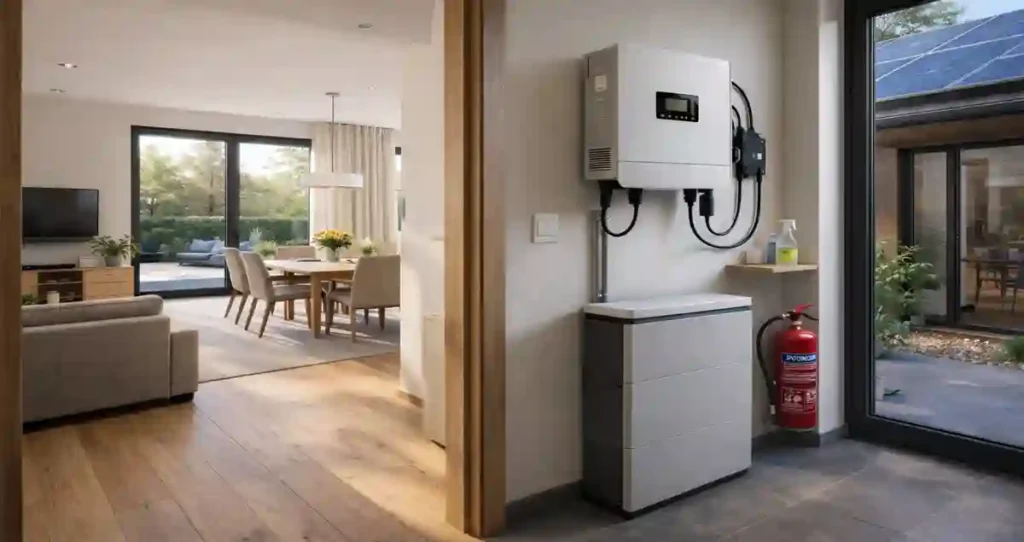
Adding a battery backup increases reliability, storing energy for nighttime use or during cloudy days.
Battery Options:
- LiFePO4 (Lithium Iron Phosphate): Latest technology, highly efficient, long lifespan, safe, and ideal for deep discharge.
- Lithium-ion: High efficiency and long lifespan for residential and commercial setups.
Typical Storage: A 10kW system with 10–15 kWh of storage ensures one full day of backup energy.
Benefits:
- Energy independence
- Protection against blackouts
- Optimized energy usage
- Reliable backup for regions with unstable electricity or high grid costs
Choosing modern LiFePO4 batteries ensures maximum efficiency, safety, and longevity, making your 10kW system a professional-standard installation.
Choosing the Right 10kW System for Your Home
- Calculate Roof Space: Usually 600–700 sq ft., depending on panel efficiency.
- Assess Sunlight Hours: Evaluate average daily sunlight in your region.
- Decide on Battery Backup: Essential for areas with frequent outages.
- Compare Costs: Refer to the global cost table above.
Pro Tip: A 10kW system is a long-term investment that often pays for itself within 5–7 years through energy savings.
Installation & Maintenance
A 10kW solar system is designed for efficiency, ease of use, and long-term reliability. Proper installation and maintenance are essential to ensure consistent energy output and system longevity.
Installation
Timeframe: Typically 2–5 days for most residential rooftops, depending on roof size and accessibility.
Components Installed:
- Solar Panels: High-efficiency 580–650W modules mounted on the rooftop at the optimal tilt angle for maximum sunlight capture.
- Solar Inverter: Converts DC electricity from panels to AC electricity usable by the home or building.
- MC4 Connectors & Wiring: Secure, weatherproof connections between panels, inverters, and controllers.
- Controller & MPPT (Maximum Power Point Tracking): Optimizes panel output and ensures system efficiency.
- Battery Bank (if included): LiFePO4 batteries installed safely with proper ventilation for reliable backup energy.
Professional O&M (Operations & Maintenance) Protocol
- Use a Solar Panel Cleaning Brush with a 20ft Pole.
- To maintain 40–50 kWh/day output, panels must be clean. This water-fed telescopic brush allows safe cleaning from the ground, avoiding abrasive chemicals that could damage TOPCon coatings.
- Cleaning frequency: every 3–6 months, or more often in dusty areas.
Inverter Check:
- Inspect annually for proper performance and error messages.
- Ensure firmware is up-to-date if using AI-enabled inverters.
Controller & MPPT Check:
- Verify settings are optimized, and no faults are reported.
MC4 & Wiring:
- Inspect for corrosion, loose contacts, or damage.
Battery Maintenance (if included):
- LiFePO4 batteries require minimal maintenance but should be checked periodically for health and proper charging cycles.
Longevity of Components
| Component | Typical Lifespan |
|---|---|
| Solar Panels | 25–30 years |
| Solar Inverter | 10–15 years |
| LiFePO4 Batteries | 10–15 years |
| MC4 Connectors & Wiring | 20+ years |
| Controllers & MPPT | 10–15 years |
Summary:
With proper installation and professional O&M, a 10kW solar system delivers reliable, high-efficiency energy for years with minimal effort. The combination of premium panels, LiFePO4 batteries, AI-enabled inverters, and water-fed cleaning ensures optimal output and long-term performance.
The 10kW Solar System Overview
The 10kW solar system is a highly efficient and reliable solution for residential and commercial energy needs. It offers:
- Reliability
- Cost-effectiveness
- High efficiency
- Future-ready technology
Whether your goal is reducing electricity bills, achieving energy independence, or transitioning to sustainable energy, this system is engineered to deliver consistent performance and long-term savings.
As an engineer, I can confidently say that designing 10kW systems for clients is one of the most rewarding aspects of my work. Properly configured, this system ensures maximum energy output and durability over decades.
10kW Solar System – Frequently Asked Questions (FAQs)
How many panels are needed for a 10kW solar system?
A typical 10kW system in 2026 requires 16–18 high-efficiency solar modules of 580–650W each. The exact number depends on the panel wattage, roof space, and system configuration.
What is the daily energy output of a 10kW system?
On average, a 10kW system can generate 40–50 kWh/day in areas with good sunlight. Output varies by location, season, and panel type.
What types of solar panels are best for 10kW systems?
Monocrystalline: High efficiency, ideal for limited roof space
Polycrystalline: More budget-friendly
TopCon bifacial N-type: High efficiency, excellent ROI, captures sunlight from both sides
Can a 10kW system work off-grid?
Yes. With battery storage, a 10kW off-grid system can provide complete energy independence, perfect for remote locations or off-grid living.
How much space is required for a 10kW solar system?
For a modern 10kW system using 580–650W panels, a professional installation requires 600–700 sq ft. to allow for maintenance access, proper spacing between rows, and to avoid shading. Roof space may vary slightly depending on tilt, orientation, and panel layout.
What is the approximate cost of a 10kW system globally?
Country
Avg Cost Range
USA
$18,000 – $28,000
Australia
AUD 9,000 – 14,000
India
₹500,000–700,000
Pakistan
PKR 1.45M–1.85M
UK
£12,000 – £18,000
What is the ROI for a 10kW solar system?
Typically, a 5–7 year payback period, depending on regional electricity rates, incentives, and energy consumption. With AI-optimized systems and TopCon panels, ROI can improve further.
Can I install a 10kW system in any country?
Yes, a 10kW system can be installed globally, but local regulations, net metering policies, and incentives may affect design, cost, and ROI.
How do I maintain a 10kW solar system?
Keep panels clean and free from debris or shading
Check wiring and inverters periodically
AI-enabled systems can predict maintenance needs and alert you to potential issues
Can a 10kW system power a large household completely?
Yes. A well-designed 10kW system can cover nearly 100% of energy needs for large homes, especially when paired with battery storage for nighttime or cloudy days.