
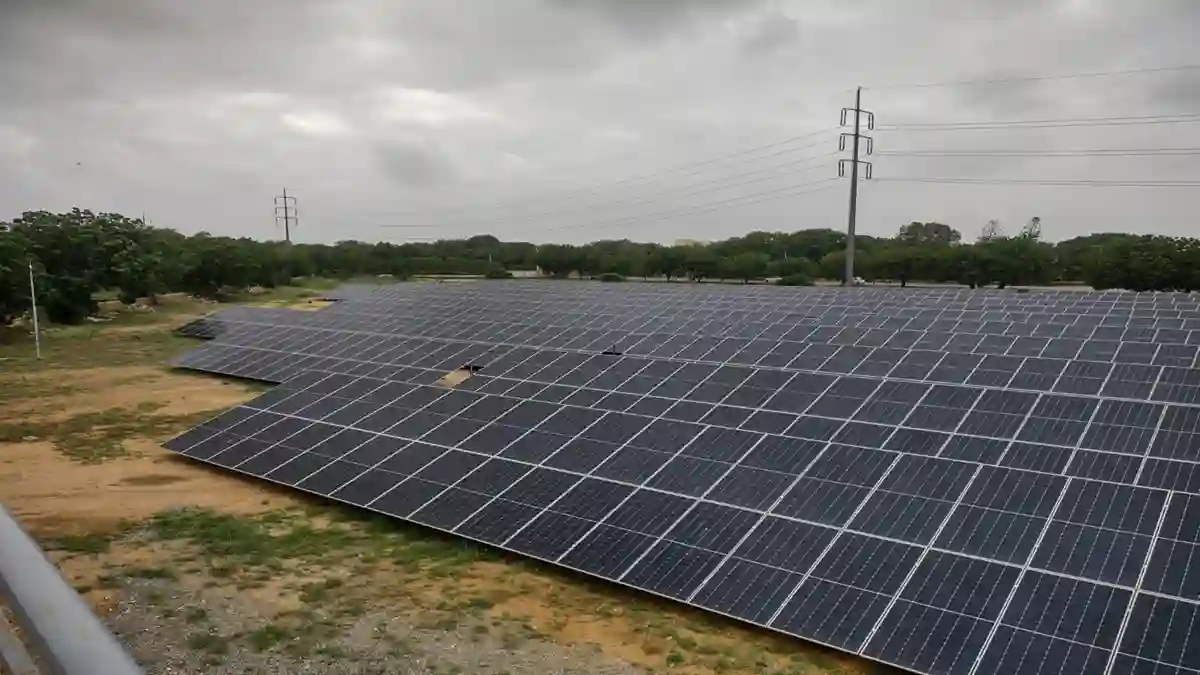
Learn how a solar power system works in 2026. Explore types, components, costs, ROI, and AI optimization for homes, businesses, and industries worldwide.
The global energy transition is no longer a future concept. In 2026, the solar power system has become a mainstream, intelligent, and financially sound energy solution for homes, businesses, and governments worldwide. With rapid advancements in artificial intelligence, energy storage, and power electronics, solar power has evolved from simple panel installations into AI-optimized energy ecosystems.
This guide is written from an engineering and system-design perspective, not marketing hype. Whether you are a homeowner, investor, installer, or policymaker, this article provides a complete, future-ready understanding of modern solar power systems.
Solar Power System in 2026: The Engineer’s Guide to Efficiency, ROI, and AI
Before diving into the details of solar systems, take a moment to consider the following. This section provides you with quick clarity and ensures you make the most informed choice for your home or business in 2026.
Who Should Install a Solar Power System in 2026?
Installing a solar power system today is not just a green choice—it’s a smart financial and energy decision. It’s ideal for anyone looking to future-proof their energy needs. You should consider a solar system if:
- You face rising electricity tariffs – Energy costs keep climbing worldwide due to fuel price shifts and grid upgrades. Installing solar locks in predictable energy costs for decades.
- You want energy independence or backup – Whether it’s load shedding or unexpected outages, a hybrid or battery-backed system ensures your lights stay on.
- You plan long-term cost savings – The upfront cost might feel high, but a solar power system pays for itself over time, often in just a few years.
- You want to reduce carbon emissions – Solar energy helps you shrink your carbon footprint while supporting global clean energy initiatives. High-efficiency panels like TOPCon maximize energy generation per square meter.
- You plan EV charging or electrification – Electric vehicles, heat pumps, and other electrified appliances increase your power needs. Solar ensures your energy stays affordable while powering your green lifestyle.
Recommended System Types
Choosing the right type of system is key to maximizing benefits:
- Typical System Sizes (Residential)
Different households need different power capacities: - AI Integration: Why It’s a Game-Changer
In 2026, AI is no longer optional—it’s a necessity for maximizing energy efficiency:- Increases energy yield and reduces electricity bills faster.
- Extends battery lifespan through intelligent charging cycles.
- Detects and alerts you to potential faults early, preventing costly repairs.
- Automatically optimizes ROI by managing energy flows intelligently.
Learn more about MPPT Solar Charge Controller for deeper insights on AI-enabled energy management.
- Final Buying Advice
Before you invest, pay attention to these key factors:- Panel efficiency and warranty: Higher efficiency panels like TOPCon ensure long-term performance.
- Inverter intelligence: Choose AI-compatible inverters for better energy optimization.
- Battery chemistry and lifecycle: Understand differences between lithium-ion, sodium-ion, and emerging battery options.
- Net-metering rules: Local incentives can significantly affect payback periods.
- Total cost of ownership: Factor in inverter replacement, battery life, and maintenance. Our Solar Charge Controller Guide helps you choose protective devices wisely.
Pro Tip: If budget allows, an AI-optimized solar power system delivers the best long-term value, especially for homes or businesses integrating EVs, battery storage, or smart energy management.
What is a Solar Power System?
A solar power system is more than just panels on a roof—it’s an integrated energy solution that captures sunlight and converts it into usable electricity using photovoltaic (PV) technology. Unlike traditional power plants, solar systems generate electricity on-site, reducing transmission losses, grid dependency, and electricity costs over time.
Core Components of a Solar Power System
A modern solar system includes several interconnected components to ensure efficiency, safety, and smart energy management:
- Solar Panels: Capture sunlight and convert it into DC electricity.
- Inverters: Convert DC electricity from panels into AC for home, commercial, or industrial use.
- Charge Controllers: Regulate energy going into batteries to prevent overcharging.
- Batteries (optional): Store excess energy for backup or night-time usage.
- Monitoring & Protection Systems: Track performance, detect faults, and ensure safety.
- AI-Based Energy Management (Advanced Systems): Predicts load, schedules appliances, optimizes battery use, and maximizes ROI.
Where a Solar Power System Can Be Installed
Whether it’s:
- Rooftops of homes or apartments
- Industrial solar farms
- Educational buildings like schools and colleges
- Factories and commercial offices
A solar power system saves money, provides energy independence, and contributes to a cleaner, greener environment.
Why Modern Solar Systems Are Smarter in 2026
- Digital & Intelligent: Advanced systems monitor performance in real time.
- Adaptive & Predictive: AI responds automatically to weather changes, load demand, and grid conditions.
- Efficient & Cost-Saving: Reduces electricity bills while increasing system lifespan.
- Scalable: Works for small homes, large households, factories, or industrial plants.
Key Benefits
- Versatile Applications: Works equally well for rooftops, industrial installations, schools, or factories, helping every sector save money while protecting the environment.
- Energy Independence: Less reliance on the grid or utility power.
- Environmentally Friendly: Reduces carbon emissions and supports national and global clean energy goals.
- Smart ROI: AI and monitoring increase energy yield and extend component life.
- Future-Ready: Compatible with EV charging, smart home systems, and growing power demands.
How Does a Solar Power System Work?
A solar power system converts sunlight into usable electricity, powering homes, offices, factories, or even entire communities while reducing environmental impact. Modern systems in 2026 are smart, adaptive, and AI-enabled, making energy management more efficient than ever.
Step 1: Capturing Sunlight
- Solar panels (monocrystalline, polycrystalline, TOPCon, or bifacial) absorb sunlight and generate direct current (DC) electricity.
- Panels can be roof-mounted, ground-mounted, or floating, depending on available space and application.
Step 2: Converting Electricity
- Inverters convert DC to alternating current (AC) for household or commercial use.
- Smart inverters in 2026 can integrate with AI and IoT to optimize energy flow, reduce losses, and manage grid interactions.
- Learn more from our 2026 Solar Inverter Guide: Types, Selection & Smart Use.
Step 3: Storing Energy
- Batteries store excess electricity for nighttime use or grid outages.
- Systems may use lithium-ion, sodium-ion, or advanced iron-air batteries for long-term performance.
- AI-enabled batteries monitor state-of-charge, prevent overuse, and extend lifespan.
Step 4: AI & Energy Management
- AI software forecasts energy production and consumption, adjusting loads to maximize efficiency.
- Automates appliance scheduling, peak-hour optimization, and net-metering profitability.
- Detects panel faults early and alerts users, preventing downtime and costly repairs.
- Explore our Solar AI: Lower Your Monthly Electricity Bills Effortlessly post.
Step 5: Distribution & Usage
- Electricity powers lighting, appliances, HVAC systems, EV chargers, and industrial equipment directly.
- Smart systems can prioritise critical loads, ensuring a continuous and uninterrupted supply.
- Excess electricity can be fed back to the grid or used for community microgrids.
Key Takeaway:
Whether it’s a rooftop residential system, commercial building, educational facility, or industrial factory, a solar power system in 2026 is intelligent, efficient, and eco-friendly, saving money and reducing carbon footprint simultaneously.
Types of Solar Power Systems
A solar power system can be tailored to different needs, from small rooftops to large industrial or educational setups. Choosing the right type ensures maximum energy savings, clean power, and long-term ROI.
1. Grid-Tied Solar Power System
- Most common for homes and businesses connected to the main grid.
- Excess electricity can be fed back into the grid through net metering, increasing savings.
- Pros: Lower upfront cost, easy installation, potential energy credits.
- Cons: No power during grid outages unless paired with storage.
2. Hybrid Solar Power System
- Combines a grid connection with battery storage, offering backup during outages.
- AI-enabled hybrid systems optimize energy usage, reduce electricity bills, and extend battery life.
- Ideal for: Homes, offices, and commercial buildings that need resilience and cost optimization.
3. Off-Grid Solar Power System
- Completely independent from the main grid, storing all energy in batteries.
- Perfect for remote areas, rural homes, and microgrid applications.
- Pros: Full energy independence, reliable power in isolated locations.
- Cons: Higher upfront cost due to battery storage requirements.
- Explore our Off-Grid Solar System: The Secret to Enjoying Off-Grid Living in 2026.
4. Commercial and Industrial Solar Power System
- Designed for factories, warehouses, and educational institutions.
- Often large-scale installations using AI for peak load management and energy optimization.
- Benefits: Significant electricity cost reduction, clean power for industrial operations, environmental impact reduction.
- Read more in Ultimate Best Solar Panels for Schools: Cost & ROI.
5. Specialized Applications
- Agrivoltaics: Combining solar panels with agriculture to optimize land use.
- Floating solar systems: Panels installed on lakes and reservoirs to save land.
- Building-Integrated PV (BIPV): Solar panels integrated into facades or roofs for new constructions.
Key Takeaway: Whether it’s a rooftop home system, a solar farm, an industrial facility, or an educational building, the right solar power system not only saves costs but also contributes to a cleaner, greener environment.
Home Solar Power System
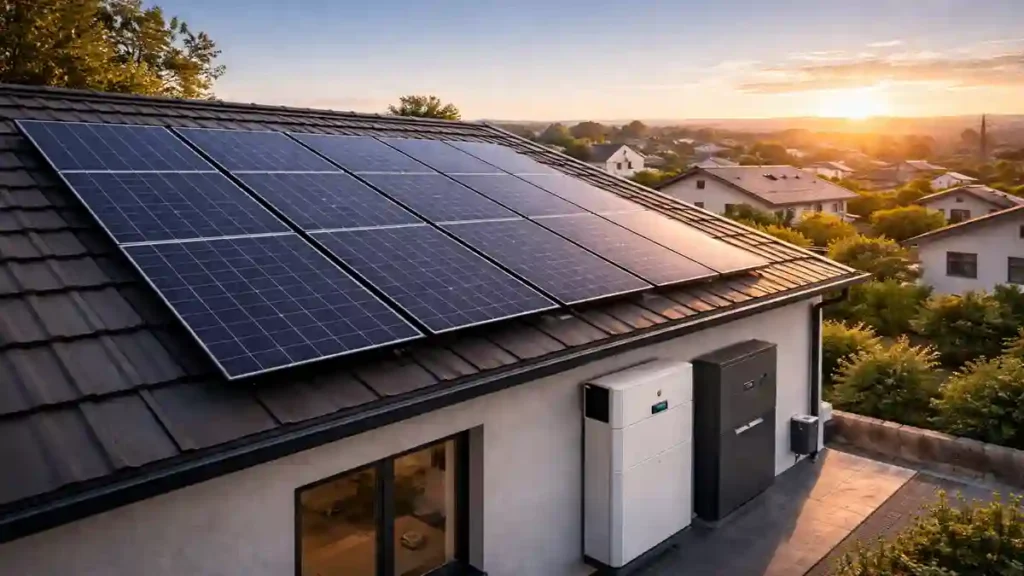
A home solar power system is the most popular solar application worldwide, and in 2026, it’s more than just an energy source—it’s a strategic investment. Modern homes demand energy solutions that are load-specific, future-ready, and AI-optimized to reduce costs, enhance comfort, and prepare for electrification trends like EVs.
Typical Home Loads
When designing a home solar system, it’s important to analyze your daily energy consumption. Common loads include:
- Lighting: LED and smart lights, often running several hours a day.
- Refrigerators & Freezers: Continuous load, high efficiency panels, and proper sizing are critical.
- Air Conditioners & Heaters: Peak-hour consumption is significant; AI optimization can schedule usage during solar generation.
- Washing Machines & Kitchen Appliances: Intermittent but high-power loads; battery integration helps manage these.
- Water Pumps & Heating: Especially relevant in homes with solar water pumps or rooftop heating systems.
- EV Chargers: Growing in importance as electric vehicles become more common. A 5KW to 10kW solar system is typically recommended for a single EV.
Pro Tip: Check our Solar Water Pump Guide 2026 to see how solar-powered pumps integrate into home systems.
Recommended System Sizes
| Home Size | Typical System Size | Notes |
|---|---|---|
| Small apartment / studio | 3kW | Covers basic lighting, small appliances, minimal AC loads |
| Medium house | 5kW | Suitable for ACs, kitchen appliances, and moderate EV use |
| Large house / EV owner | 10kW | Handles multiple ACs, EV charging, water pumps, high loads |
- Pro Tip: If you plan to expand your home or add EVs in the future, oversizing slightly now avoids costly upgrades later.
Battery Considerations
Choosing the right battery setup is key to maximizing resilience and savings:
- No battery: Lowest upfront cost, but no backup during outages.
- Small battery: Supports critical loads only (lighting, fridge, communication).
- Full backup: Higher investment but maximum resilience, ideal for regions with frequent power cuts or for EV owners.
AI Role in Home Solar Power Systems
Artificial intelligence is now an integral part of modern home solar systems, making them smarter, more efficient, and easier to manage:
- Smart appliance scheduling: AI ensures high-energy appliances run when solar production is at its peak.
- Battery protection & lifecycle optimization: AI prevents overcharging, deep discharges, and extends battery life.
- Peak-hour optimization: Reduces reliance on the grid during expensive peak tariff periods.
- Net-metering profit maximization: AI helps decide when to store energy, use it, or sell back to the grid for maximum return.
- Remote monitoring & alerts: Track system performance, detect shading, dirt, or faults via apps.
Key Benefits
- Electricity bill reduction: Properly designed systems can reduce bills by 70–100%, depending on load patterns.
- Energy independence: Reliable power even during grid outages or load shedding.
- Future-ready design: Supports EVs, smart appliances, and electrification upgrades.
- Environmental impact: Reduce carbon footprint and support net-zero goals.
For understanding how your solar system actually generates and distributes energy, see How Does a Solar Power System Work
Components of a Modern Solar Power System
A modern solar power system in 2026 is more than just panels on a roof. It’s a smart, connected ecosystem designed for maximum efficiency, durability, and environmental impact. Whether for a home, school, factory, or commercial building, each component plays a vital role in delivering clean energy and long-term savings.
1. Solar Panels
Solar panels remain the heart of any system. New technologies allow higher efficiency, better shading tolerance, and longer lifespans.
- Monocrystalline Panels – Most widely used for residential and commercial rooftops.
- Bifacial Panels – Capture sunlight on both sides, increasing energy yield, ideal for reflective surfaces or ground-mounted systems.
- TOPCon / HJT Panels – Advanced high-efficiency panels (25–28%), with superior temperature resilience and minimal degradation.
- Perovskite & Tandem Cells – Emerging technologies offering next-gen efficiency and lightweight designs for innovative installations.
2. Solar Inverter
Inverters convert DC electricity from panels into AC power for everyday use. Modern systems now integrate AI and IoT for maximum control.
- Grid-Tied Inverters – Connect to the local grid; excess energy can be exported.
- Hybrid Inverters – Combine grid connection with battery storage for backup and energy optimization.
- AI-Enabled Smart Inverters – Monitor consumption, predict solar generation, and optimize energy flows automatically.
- Three-Phase Industrial Inverters – Handle large loads efficiently for factories or commercial campuses.
3. Charge Controller
Charge controllers regulate voltage and current from panels to batteries, preventing overcharging and prolonging battery life.
- MPPT (Maximum Power Point Tracking) – Optimizes solar input, improving system efficiency by 20–30%.
- AI-Integrated Controllers – Adjust charge cycles based on consumption patterns and weather predictions.
- Smart Monitoring – Sends real-time alerts for shading, temperature, or performance dips.
4. Battery Storage
Energy storage is key for backup, load shifting, and maximizing ROI. Batteries now last longer and integrate seamlessly with AI systems.
- Lithium-Ion Batteries – Reliable, widely available, suitable for most residential and commercial setups.
- LiFePO4 Batteries – Safer, longer lifespan, and better thermal stability.
- Sodium-Ion & Iron-Air Batteries – Emerging technologies offering cost-effective, high-capacity storage solutions.
- AI-Optimized Battery Management Systems – Monitor state-of-charge, prevent over-discharge, and extend battery life automatically.
5. Protection & Monitoring Devices
Modern systems are not only efficient but also safe, connected, and remotely manageable.
- DC Isolators & Surge Protectors – Protect panels, inverters, and appliances from lightning or grid surges.
- IoT Sensors – Monitor panel performance, detect faults, and track environmental conditions.
- Cloud Dashboards & Mobile Apps – Provide real-time system monitoring, energy analytics, and alerts.
- AI-Powered Predictive Maintenance – Identifies early faults and schedules maintenance before issues impact performance.
6. Optional Advanced Devices
For large-scale or highly optimized systems, additional devices enhance performance and integration:
- Smart Energy Routers – Automatically manage energy flow between grid, batteries, and appliances.
- EV Chargers Integration – Seamless charging of electric vehicles directly from solar energy.
- Building-Integrated PV (BIPV) – Solar panels integrated into roofs, windows, or facades.
- Floating Solar Panels – For lakes or reservoirs, maximizing energy without consuming land.
Key Takeaway:
A modern solar power system is a fully connected, AI-enabled energy ecosystem, whether it’s powering a home, educational building, factory, or solar farm. Each component works together to deliver clean, reliable, and cost-effective energy while reducing carbon footprint.
AI-Optimized Solar Power System: 2026 Engineering Data
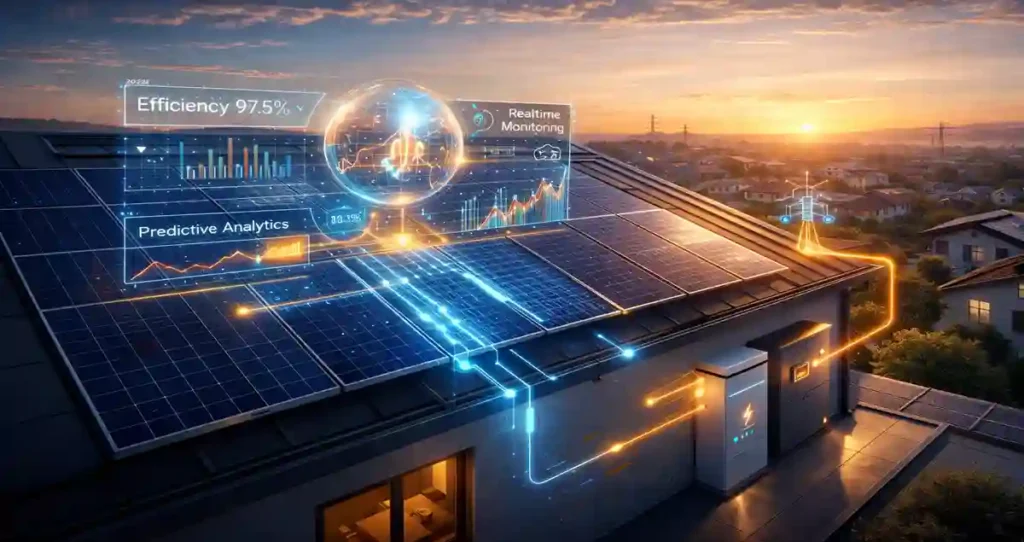
In 2026, a solar power system without AI is a passive asset. Integrating an AI-driven Energy Management System (AEMS) transforms the setup into an active, self-optimizing ecosystem. Based on 2026 field data, AI integration delivers the following measurable technical advantages:
1. Predictive Yield & Load Forecasting
Traditional systems react to the sun; AI systems predict it. By fusing real-time satellite imagery with local IoT sensor data, AI models now achieve an R-squared value of 0.95 in power output forecasting.
- Grid Interaction: Automates “Energy Arbitrage”—selling power back to the grid during peak-tariff windows and charging batteries when rates are lowest.
- Yield Increase: Dynamic optimization of MPPT parameters and load-shifting increases usable energy yield by 10–15% on average.
2. Advanced Battery Management & Longevity
AI minimizes the Total Cost of Ownership (TCO) by protecting the most expensive component: the battery.
- Life Extension: By monitoring the State-of-Health (SoH) and preventing micro-cycles, AI extends Lithium-ion and Sodium-ion battery life by 25–30% (approx. 2–3 additional years of service).
- Adaptive Thermal Control: Predictive cooling/heating based on upcoming load spikes prevents chemical degradation before it occurs.
3. Predictive Maintenance (Zero-Downtime Architecture)
Machine learning algorithms detect “invisible” faults like micro-cracks or PID (Potential Induced Degradation) before they cause system failure.
- O&M Savings: Automated fault detection reduces Operation & Maintenance (O&M) costs by 20–25%.
- Reliability: Identifies inverter anomalies weeks before a hardware breakdown, ensuring an uninterrupted energy supply for critical loads.
4. Autonomous Demand-Side Management (DSM)
For homes and industries, AI acts as a “Smart Energy Router,” synchronizing high-power appliances (EV chargers, HVAC, industrial motors) with the peak solar generation curve.
- Efficiency Gain: Reinforcement learning models (like Q-Learning) have demonstrated cost reductions of up to 35% in PV-integrated smart buildings by autonomously shifting flexible loads.
Cost, ROI & Payback Period
Understanding the costs and returns of a solar power system is critical before installation. In 2026, declining panel prices, AI optimization, and government incentives worldwide make solar systems an increasingly smart investment.
Average Residential Costs by Region
| Region | Cost per kW | Typical Payback |
|---|---|---|
| USA | $2,500–$4,500 | 7–12 years |
| UK | £1,000–1,500 | 10–15 years |
| Europe | €1,200–1,800 | 8–12 years |
| India | ₹40,000–70,000 | 5–8 years |
| Pakistan | PKR 34,000–36,000 | 3–4 years |
| Australia | $800–1,200 | 4–7 years |
Key ROI Drivers
The return on investment for a solar power system depends on multiple factors:
- Electricity tariffs: Higher grid prices make solar savings more significant.
- Solar irradiance: Regions with abundant sunlight generate more energy per panel.
- Battery usage: Hybrid and AI-optimized battery systems reduce grid dependency and boost payback.
- AI optimization: Smart energy management maximizes output, lowers costs, and extends equipment lifespan.
- Government incentives & net-metering: Rebates, tax credits, or feed-in tariffs can shorten payback periods by several years.
Why AI-Optimized Systems Pay Off Faster
AI-enabled solar systems consistently show higher energy yields than standard systems. By dynamically adjusting for weather, load demand, and grid conditions:
- Monthly electricity bills are reduced more aggressively.
- Batteries maintain optimal charge cycles, extending lifespan.
- Predictive maintenance avoids costly downtime.
- Net-metering profits are maximized in applicable regions.
Takeaway
Investing in a solar power system in 2026 is no longer just an eco-friendly choice—it’s a smart financial decision. Coupling hybrid systems with AI optimization ensures faster payback, higher ROI, and long-term energy independence, whether for a home, commercial building, or industrial site.
Maintenance & System Care
Proper maintenance is critical to ensure long-term efficiency, reliability, and safety of your solar power system. Key aspects include:
- Solar Panel Cleaning: Regular cleaning with soft brushes or solar-specific cleaners prevents dust, dirt, and debris from reducing energy output. Avoid abrasive materials to prevent scratches.
- MC4 Connector Inspection: Check connectors for corrosion, loose contacts, or wear. Secure connections ensure consistent power flow and system safety.
- System Monitoring: Regularly inspect inverters, charge controllers, and batteries for faults or performance dips.
- Preventive Measures: Keep panels free of shading, remove debris, and maintain surrounding areas for maximum sunlight exposure.
FAQs
What is a solar power system?
A solar power system converts sunlight into electricity using photovoltaic (PV) panels. Modern systems include inverters, batteries, charge controllers, and monitoring devices to ensure efficient, safe, and reliable energy supply for homes, businesses, and industrial facilities.
What are the main components of a solar power system?
Solar Panels: Capture sunlight and generate DC electricity.
Inverters: Convert DC to AC electricity for practical use.
Charge Controllers: Protect batteries from overcharging and optimize energy flow.
Batteries: Store energy for backup or peak demand.
Monitoring & Protection Devices: Track performance, detect faults, and ensure system safety.
What types of solar power systems are available?
Grid-Tied: Directly connected to the utility grid; excess power can be fed back.
Hybrid: Combines grid connection with battery storage for backup and optimization.
Off-Grid: Fully independent, storing all energy locally in batteries.
Commercial/Industrial: Large-scale systems with advanced energy management.
Special Applications: Floating PV, building-integrated PV (BIPV), and agrivoltaics.
How do solar inverters and charge controllers impact efficiency?
Inverters and charge controllers are crucial for system performance:
MPPT (Maximum Power Point Tracking): Ensures panels operate at optimal power.
Smart Inverters: Manage energy flow, integrate with batteries, and support grid interaction.
AI/Smart Controllers: Predict energy production and consumption to reduce losses and extend battery life.
What technical factors influence the ROI of a solar power system?
Panel efficiency and degradation rate
Battery type, capacity, and lifespan
Inverter quality and smart energy management
Local solar irradiance and climate conditions
Net-metering policies, incentives, and electricity tariffs