STC vs NOCT: Why Your 600W Solar Panel Won’t Hit 600W
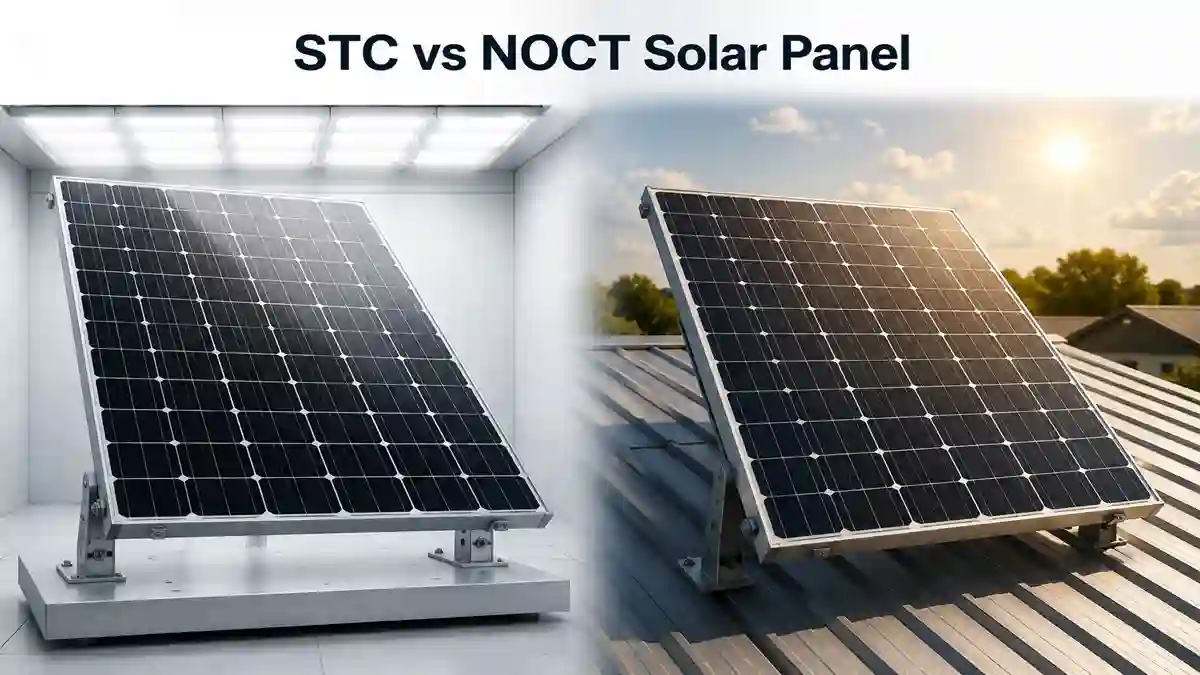
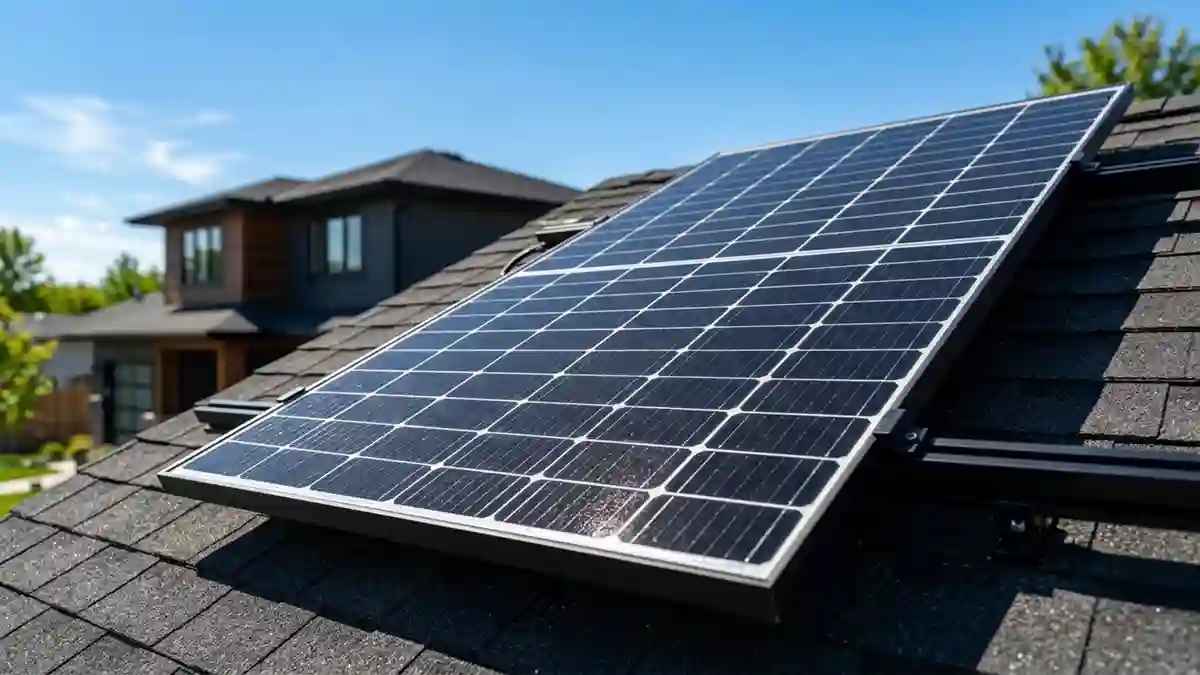
STC vs NOCT Solar Panel comparison showing laboratory ratings versus real-world operating conditions.

A 600W solar panel rarely produces 600W in everyday conditions. An engineer explains STC vs NOCT solar panel ratings, temperature effects, and which number better predicts real-world performance. Every solar panel datasheet lists at least two different power ratings, and most buyers only ever notice the first, larger one. Understanding the difference between STC vs … Read more
Solar Panel Temperature Coefficient: Why Heat Kills Performance

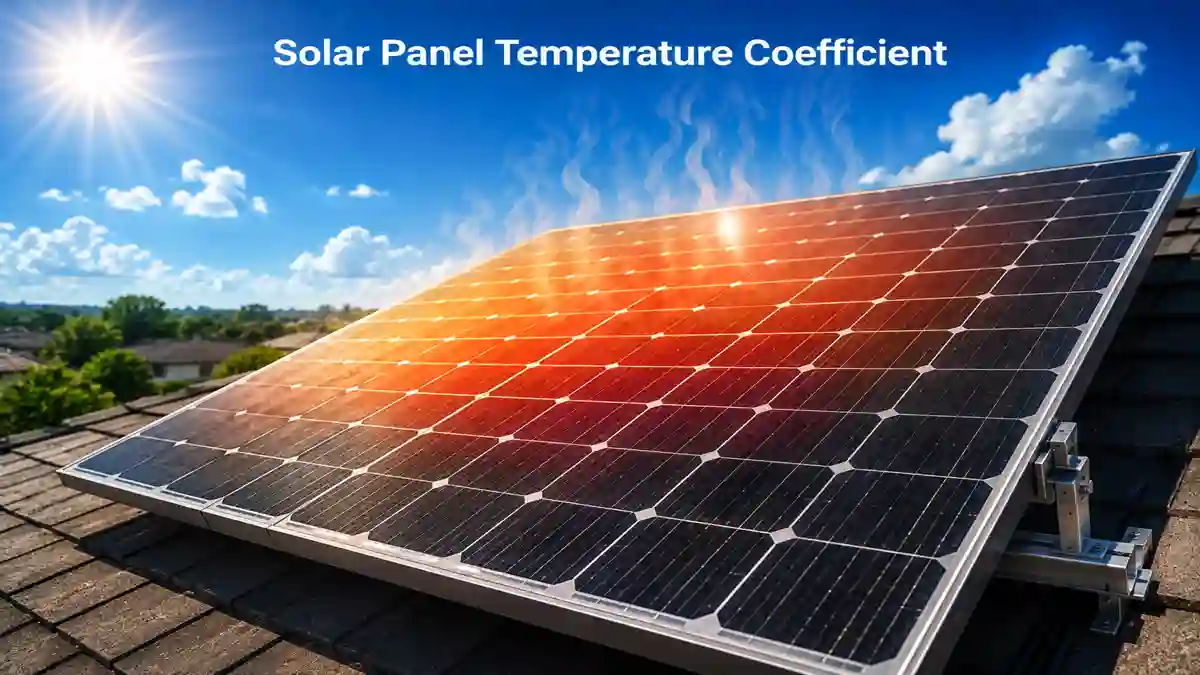
Solar Panel Temperature Coefficient showing how rising panel temperature affects photovoltaic power output.

 Solar panel temperature coefficient explained by a registered engineer — real hot-climate performance data and which technology handles heat best. Temperature coefficient is the single most consequential number on a solar panel datasheet that most buyers never think to ask about, and it’s also the reason a hot, sunny climate doesn’t automatically mean maximum solar … Read more

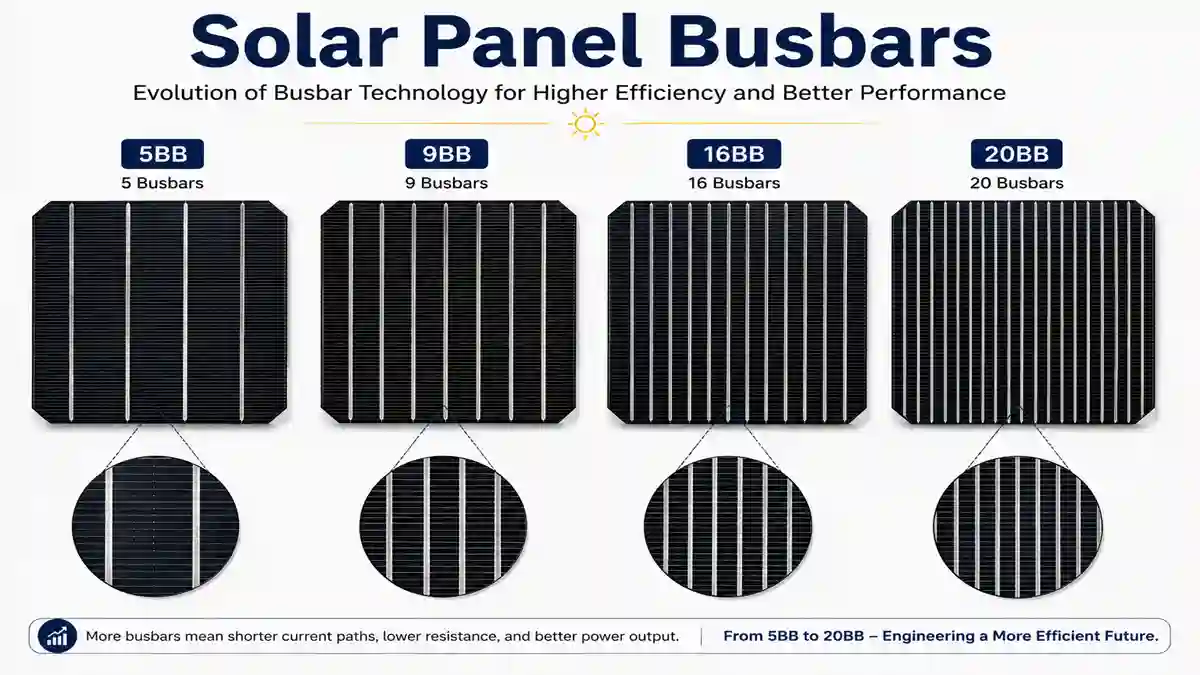
Solar Panel Busbars: Why the Count Keeps Climbing (3BB to 20+ BB)

Evolution of Solar Panel Busbars from 5BB to 20BB on modern monocrystalline photovoltaic cells

Why do Solar Panel Busbars keep increasing? learn the engineering behind 3BB, 5BB, 9BB, 16BB, and 20+ BB, and how they improve solar panel performance. If you’ve compared solar panel datasheets recently, you’ve probably noticed a number that keeps climbing year over year — 5BB, then 9BB, now 16BB is the mainstream standard, with 20BB … Read more

Half-Cut Solar Panels in 2026: Are They Actually Worth the Hype?

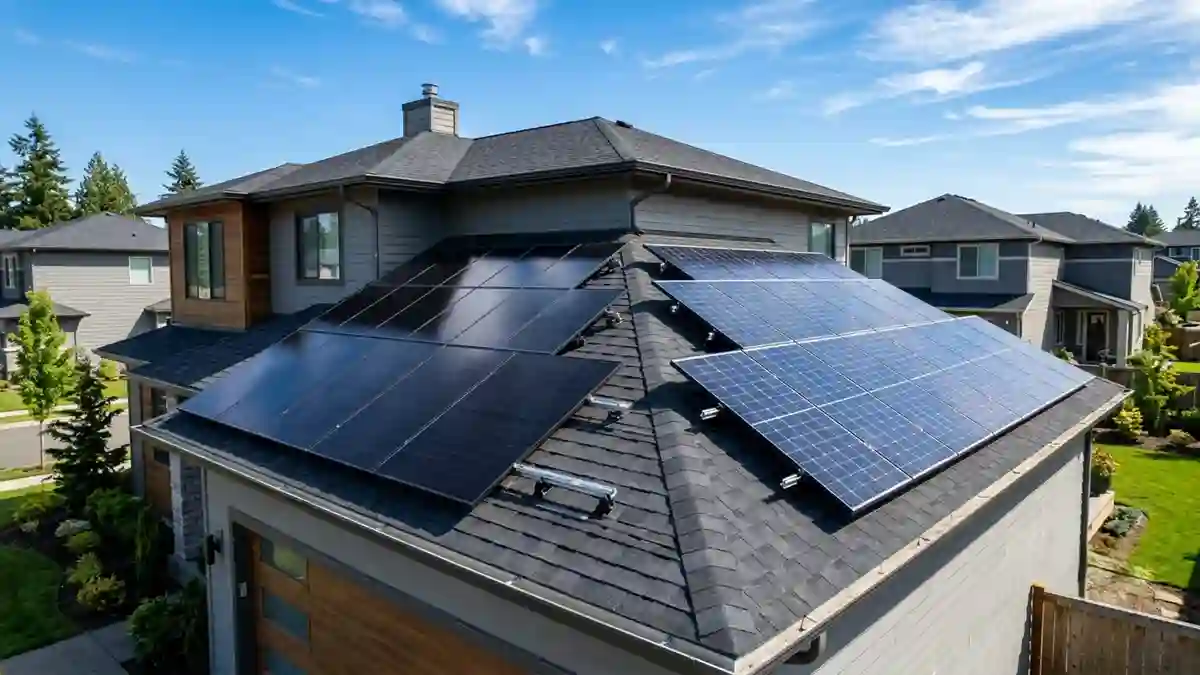
Modernalf-cut solar panels installed on a residential rooftop showing laser-cut photovoltaic cell technology.

Learn how half-cut solar panels handle partial shading and reduce internal losses. An engineer breaks down whether they’re worth buying in 2026. Half-cut cell technology is one of those genuinely clever engineering ideas that sounds almost too simple to matter — cut every standard solar cell in half — and yet it quietly became the … Read more

Monofacial vs Bifacial Solar Panels: Which Wins?

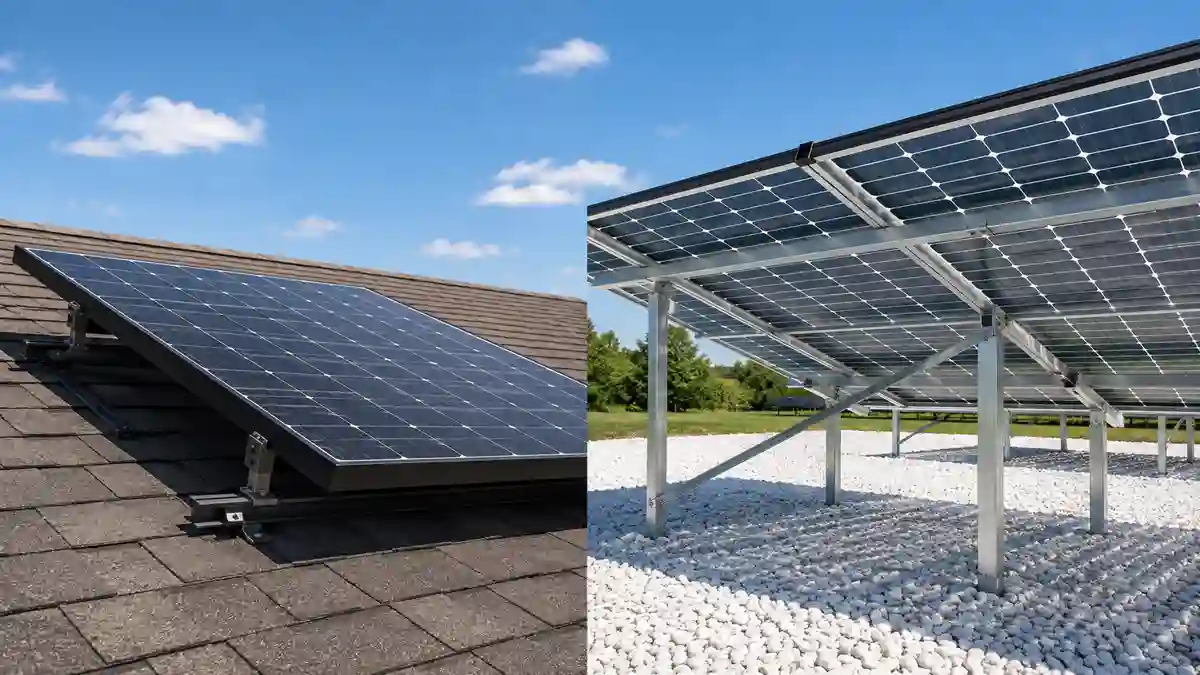
Monofacial vs bifacial solar panels installed side by side showing front-side and rear-side solar energy generation.

Monofacial vs bifacial solar panels compared by a registered engineer — real energy gain data, cost difference, and when bifacial pays off. Every panel sold before roughly a decade ago was monofacial by default — nobody called it that, because there was no alternative worth naming. Bifacial changed that, and now nearly every quote I … Read more

Solar Panel Technology: The Complete Engineer’s Guide

Solar panel technology featuring TOPCon, HJT, PERC, ABC, IBC, Perovskite, and Tandem photovoltaic systems in a futuristic renewable energy city.

Solar panel technology explained by a registered engineer — TOPCon, HJT, PERC, Perovskite, N-Type vs P-Type, ABC, IBC, and Tandem cells compared. Every panel type covered in our Types of Solar Panels guide — monocrystalline, polycrystalline, thin-film, and the rest — is built from silicon or thin-film cells engineered using one of several competing cell … Read more

N-Type vs P-Type Solar Panels: Honest Comparison

N-Type vs P-Type solar panels installed on a residential rooftop.

N-type vs P-type solar panels explained by an engineer — real efficiency and degradation differences, and which one actually matters for buyers. N-type and P-type refer to how a silicon wafer is chemically doped, and it’s become a genuinely important spec-sheet distinction over the past few years as N-type has moved from a niche premium … Read more

Tandem Solar Panels: Are Stacked Cells Ready for Rooftops?

Tandem solar panels installed on a modern residential rooftop.

Tandem solar panels technology explained — how stacking cell layers boosts efficiency, and whether it’s ready for real rooftops in 2026 Tandem cells are the architecture underpinning most of the genuinely exciting efficiency headlines in solar panels research right now, and understanding the concept clarifies why perovskite, CPV, and next-generation silicon research all keep converging … Read more

Types of Solar Panels: The Complete Engineer’s Guide (2026)

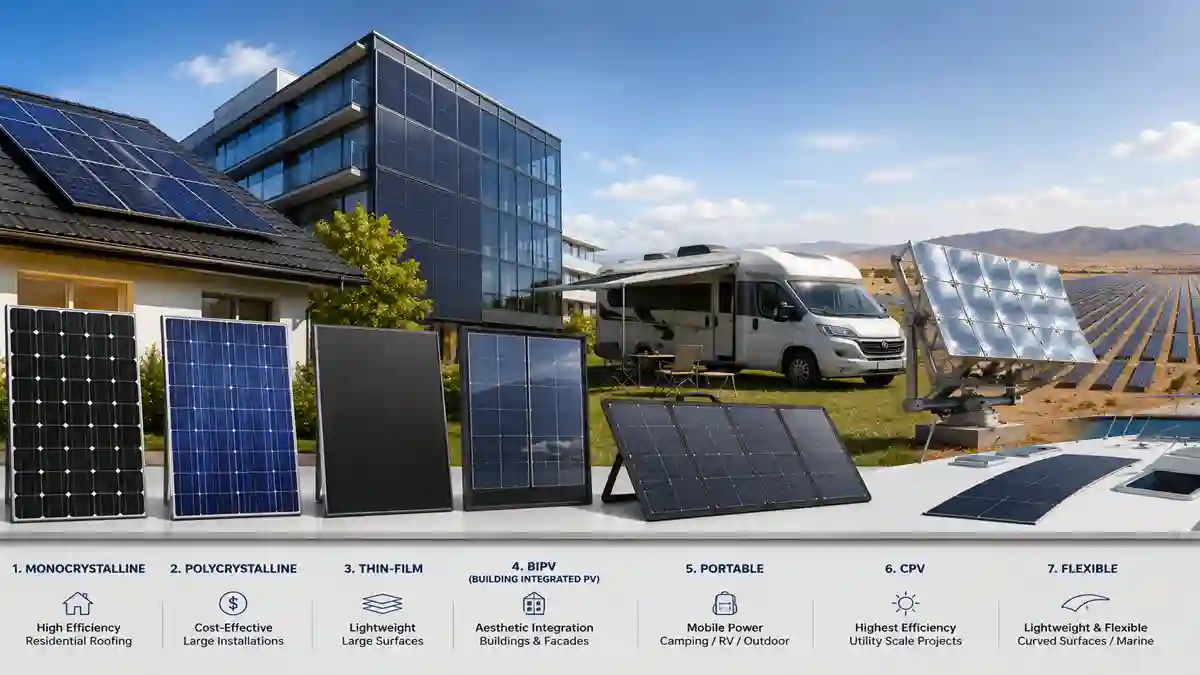
Types of solar panels comparison including monocrystalline, polycrystalline, thin-film, BIPV, portable, CPV and flexible solar panels.

The types of solar panels are explained by a registered engineer — monocrystalline, polycrystalline, thin-film, BIPV, portable, CPV, and flexible. Every client meeting I’ve ever had starts with some version of the same sentence: “Just tell me which solar panel to buy.” I understand the instinct — solar feels like it should be a commodity … Read more

Polycrystalline Solar Panels: Worth Buying in 2026?

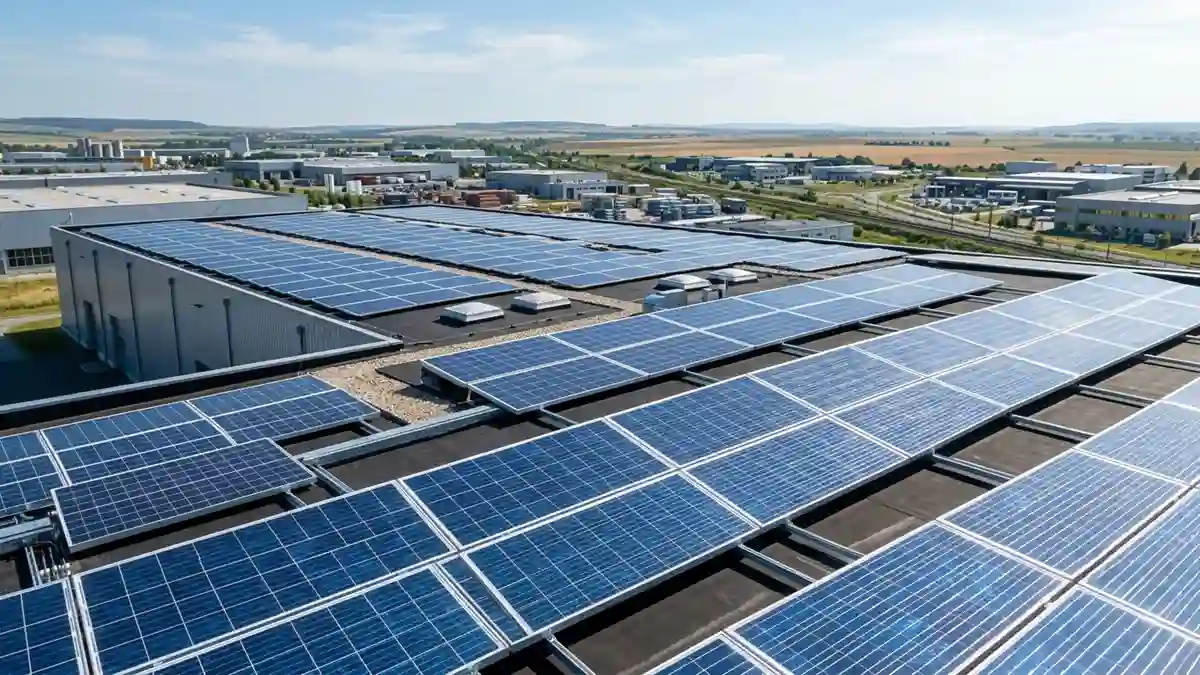
Polycrystalline solar panels installed on a large commercial rooftop under bright sunlight.

Efficiency, cost, and real-world performance data for polycrystalline solar panels — where they still make engineering sense in 2026. I still get this question on nearly every residential site visit: “Just give me the cheapest solar panels that work.” More often than not, homeowners are referring to polycrystalline solar panels. The honest engineering answer in … Read more