Solar Panel Tier 1 Explained: What Buyers Need to Know
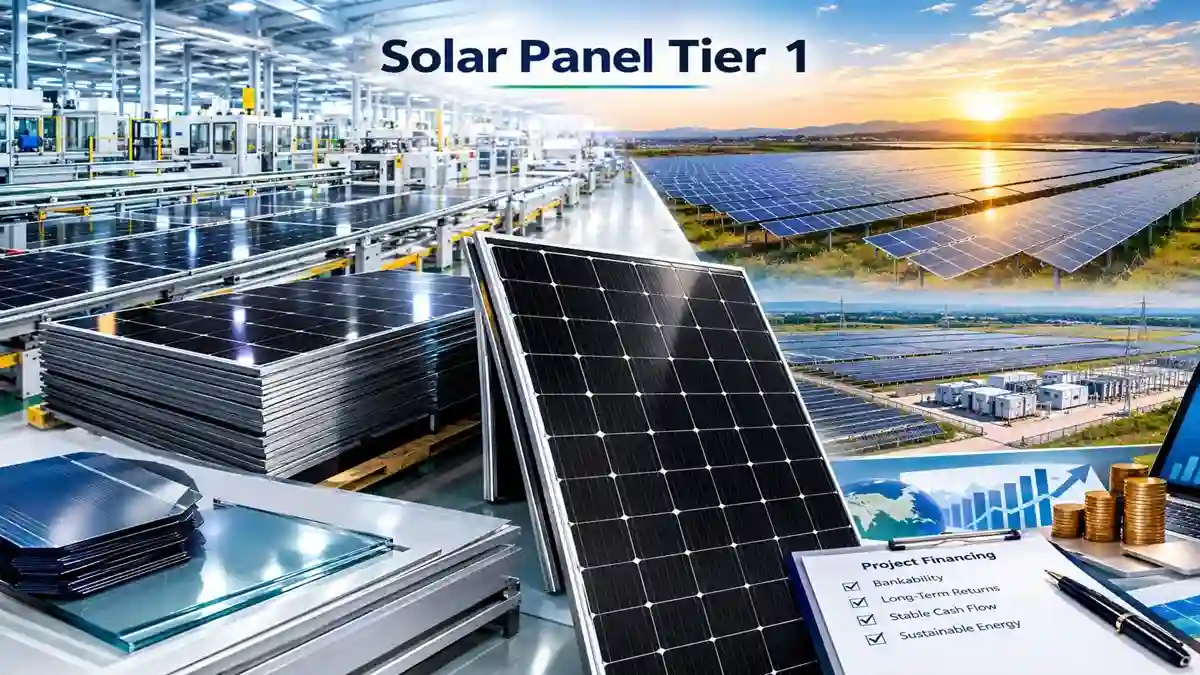
Solar Panel Tier 1 manufacturer bankability and photovoltaic production visualization.

Solar Panel Tier 1 explained by a registered engineer: learn what Tier 1 measures, why it doesn’t mean Grade A, and what buyers should check. Buyers frequently search for a static, printed list of solar panel Tier 1 manufacturers. Before diving into rankings, it is critical to address something important upfront: this list changes every … Read more
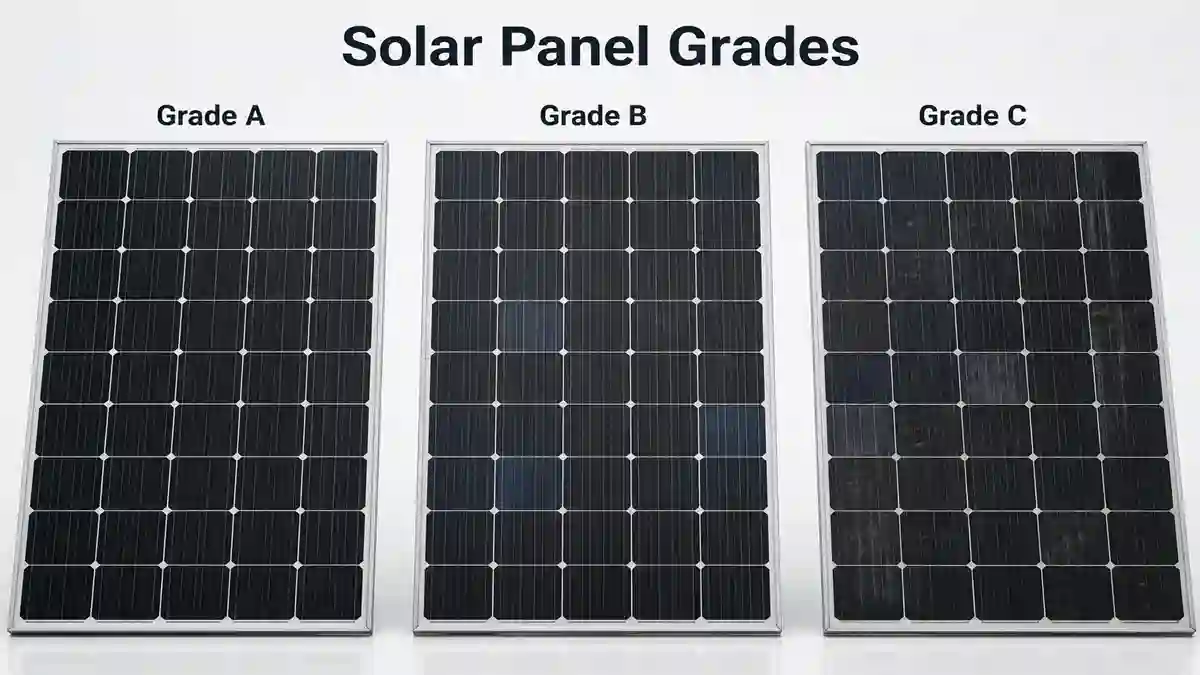
The Truth About Solar Panel Grades: What A, B & C Labels Mean

Solar Panel Grades comparison showing the differences between Grade A, Grade B, and Grade C photovoltaic modules.

Solar Panel Grades explained by a registered engineer. Learn how manufacturers inspect, test, and classify solar modules. No two solar panels that roll off a manufacturing line are identical, even from the same production batch using the same materials. Minor cosmetic imperfections, small performance variances, and manufacturing tolerances mean factories sort finished panels into quality grades before … Read more

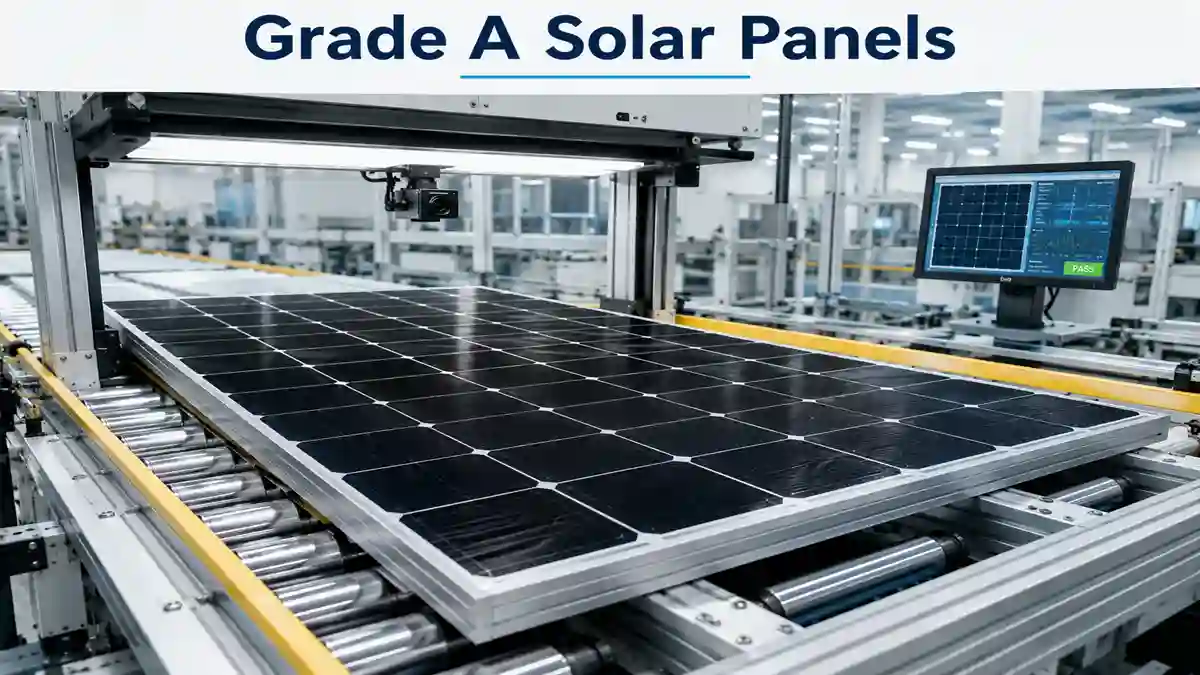
Grade A Solar Panels Explained: How to Verify Factory Quality

Grade A solar panels undergoing factory quality inspection.

Grade A Solar Panels explained by a registered engineer. Learn how manufacturers inspect, test, and verify photovoltaic modules. Almost every solar panel supplier claims to sell Grade A Solar Panels, but the term isn’t always as straightforward as many buyers assume. Unlike certifications such as IEC standards, solar panel grading doesn’t follow a single universal … Read more

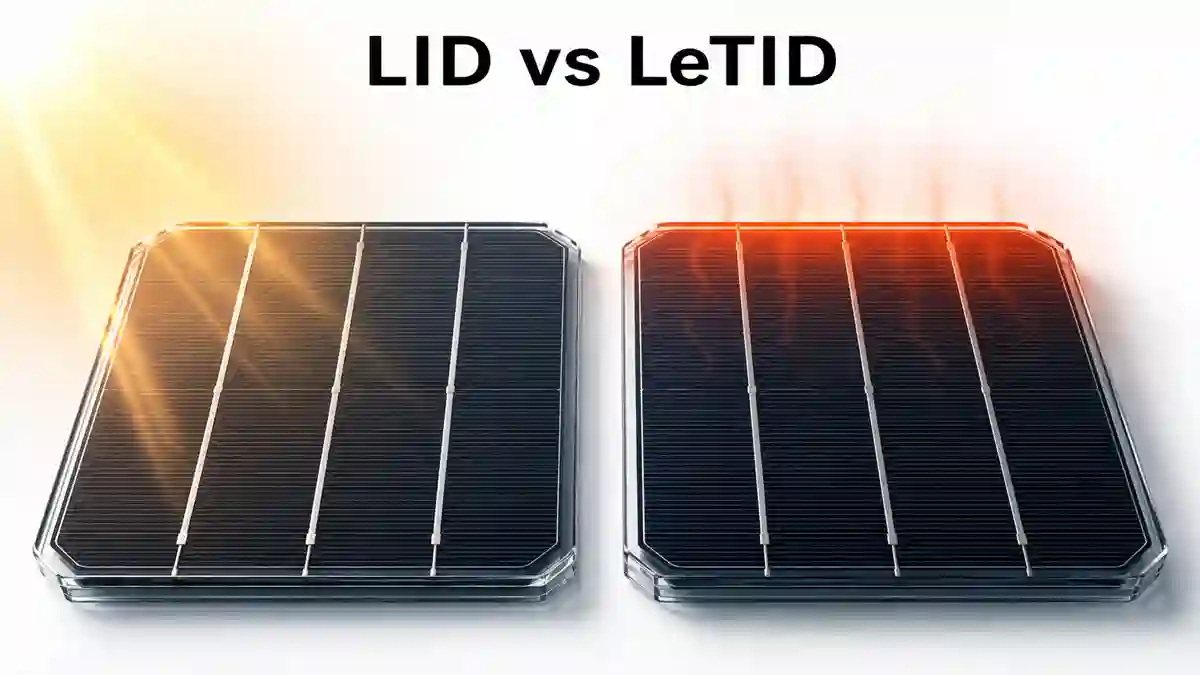
Why New Solar Panels Lose Power: LID vs LeTID Explained

LID vs LeTID in solar panels showing the difference between light induced degradation and elevated temperature induced degradation in photovoltaic cells.

Noticed an early drop in solar output? An engineer breaks down LID vs LeTID degradation, affected cell types, and what manufacturers test for. LID and LeTID are two specific, well-documented degradation mechanisms that cause a measurable output drop in certain solar cells shortly after installation, before performance stabilizes. Neither is a manufacturing defect — they’re … Read more

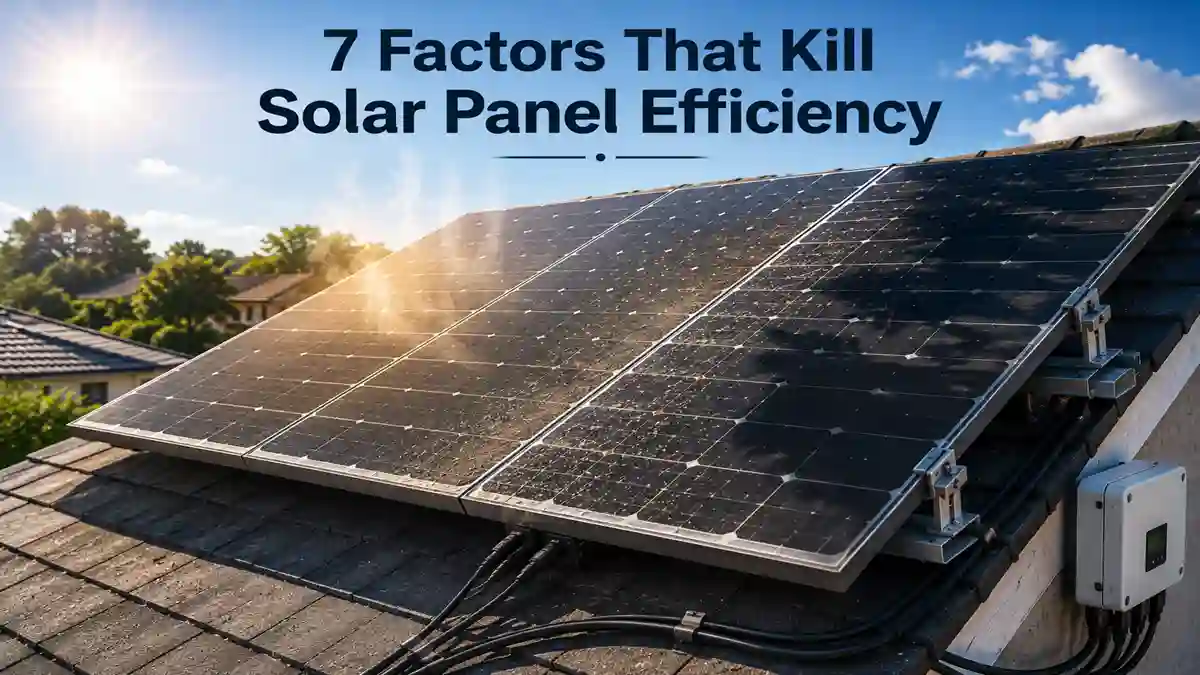
7 Factors That Kill Solar Panel Efficiency (Rooftop Realities)

Solar Panel Efficiency affected by real-world temperature, shading, soiling and other operating conditions.

Lab spec sheets don’t tell the full story. An engineer breaks down the 7 real-world losses—from heat to hidden system drops—that kill solar panel efficiency. Every efficiency number on a datasheet describes a solar panel’s best-case performance under laboratory conditions. What actually happens on a real roof, over real years, involves a predictable set of … Read more

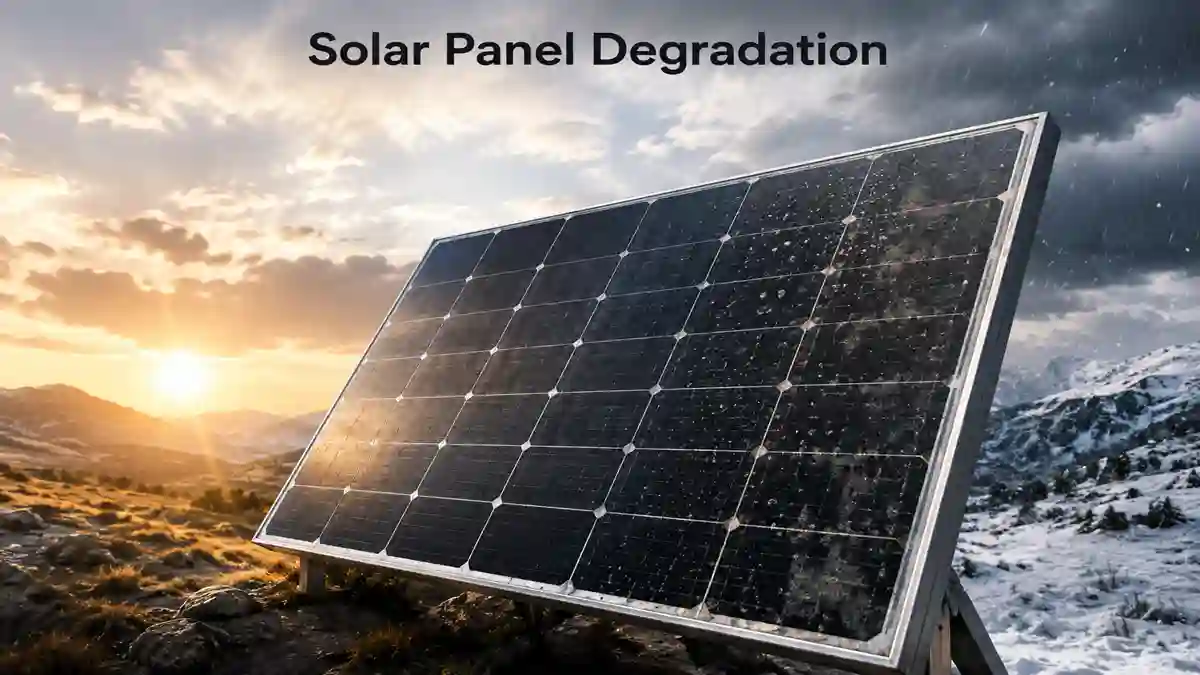
Solar Panel Degradation: How Much Power Do Panels Really Lose in 25 Years?

Solar Panel Degradation showing long-term photovoltaic power decline.

Solar panel degradation rate explained by a registered engineer — real year-by-year output decline data across every major cell technology. Every solar panel produces slightly less power in year two than year one, and slightly less again in year three, in a slow, predictable decline that continues across the system’s entire operating life. This isn’t … Read more

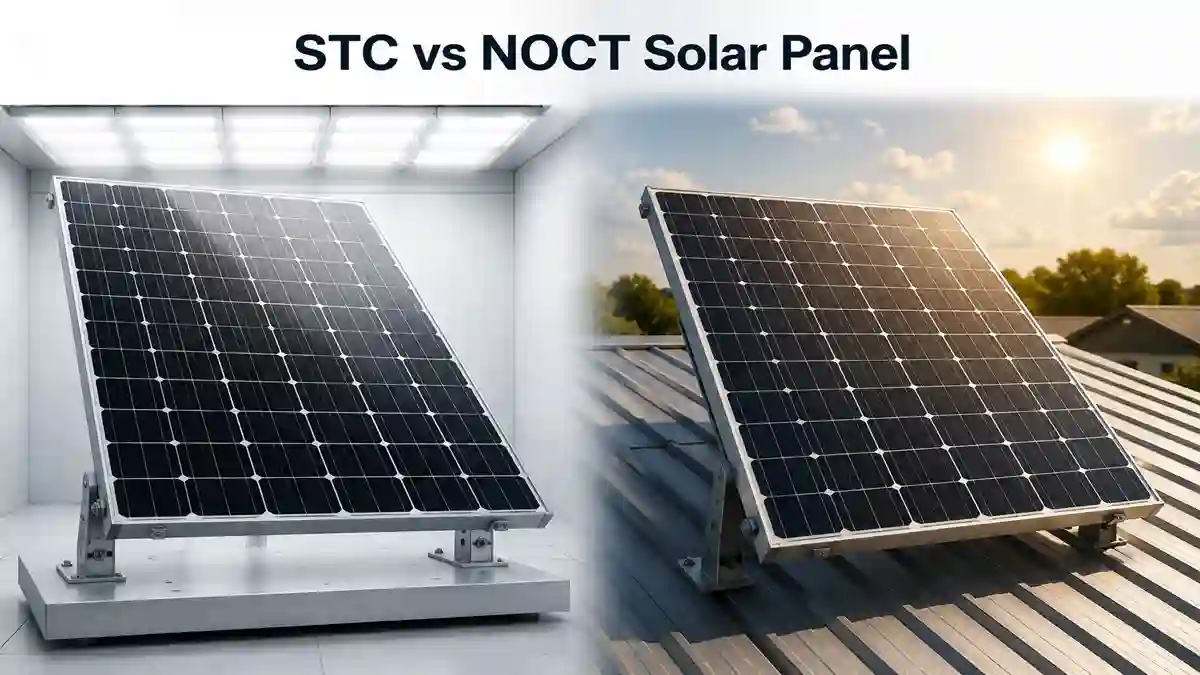
STC vs NOCT: Why Your 600W Solar Panel Won’t Hit 600W

STC vs NOCT Solar Panel comparison showing laboratory ratings versus real-world operating conditions.

A 600W solar panel rarely produces 600W in everyday conditions. An engineer explains STC vs NOCT solar panel ratings, temperature effects, and which number better predicts real-world performance. Every solar panel datasheet lists at least two different power ratings, and most buyers only ever notice the first, larger one. Understanding the difference between STC vs … Read more

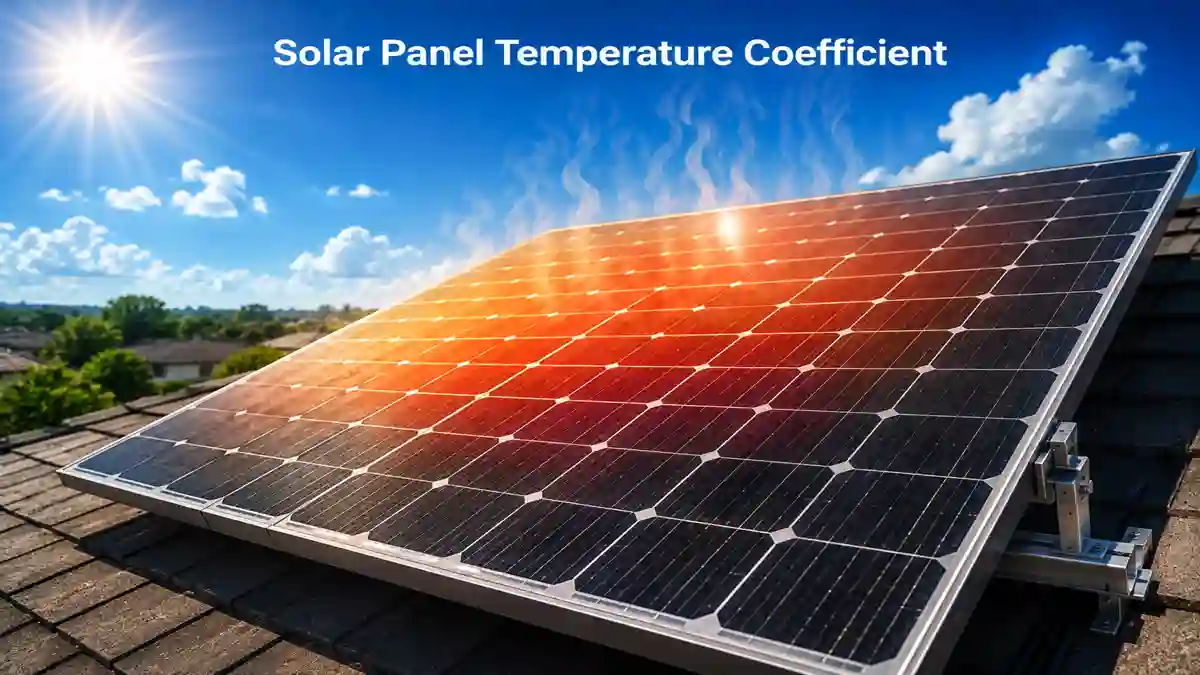
Solar Panel Temperature Coefficient: Why Heat Kills Performance

Solar Panel Temperature Coefficient showing how rising panel temperature affects photovoltaic power output.

 Solar panel temperature coefficient explained by a registered engineer — real hot-climate performance data and which technology handles heat best. Temperature coefficient is the single most consequential number on a solar panel datasheet that most buyers never think to ask about, and it’s also the reason a hot, sunny climate doesn’t automatically mean maximum solar … Read more

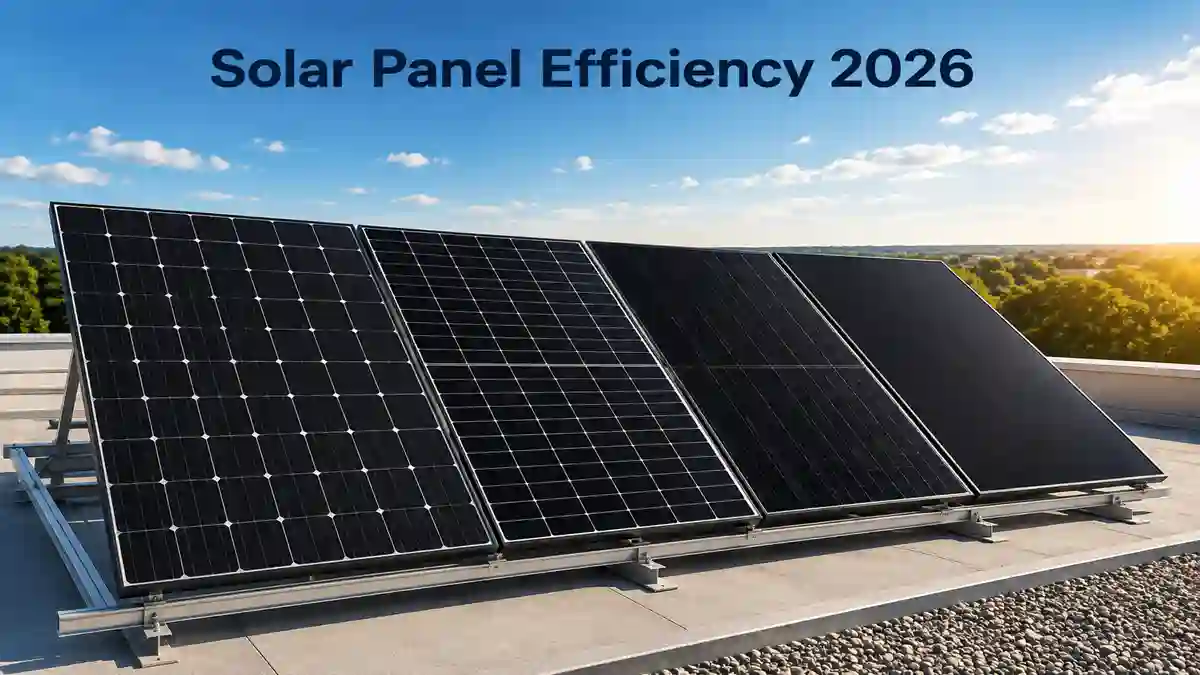
Solar Panel Efficiency in 2026: What Actually Matters?

Solar Panel Efficiency shown through modern high-efficiency monocrystalline solar panels.

Solar Panel Efficiency explained by an engineer: compare TOPCon, HJT, PERC and back-contact panels, plus the real-world factors that reduce energy output. Efficiency is the number every buyer fixates on, and the number I spend the most time explaining isn’t the whole story. It matters — genuinely, measurably — but it’s a single lab-measured figure … Read more

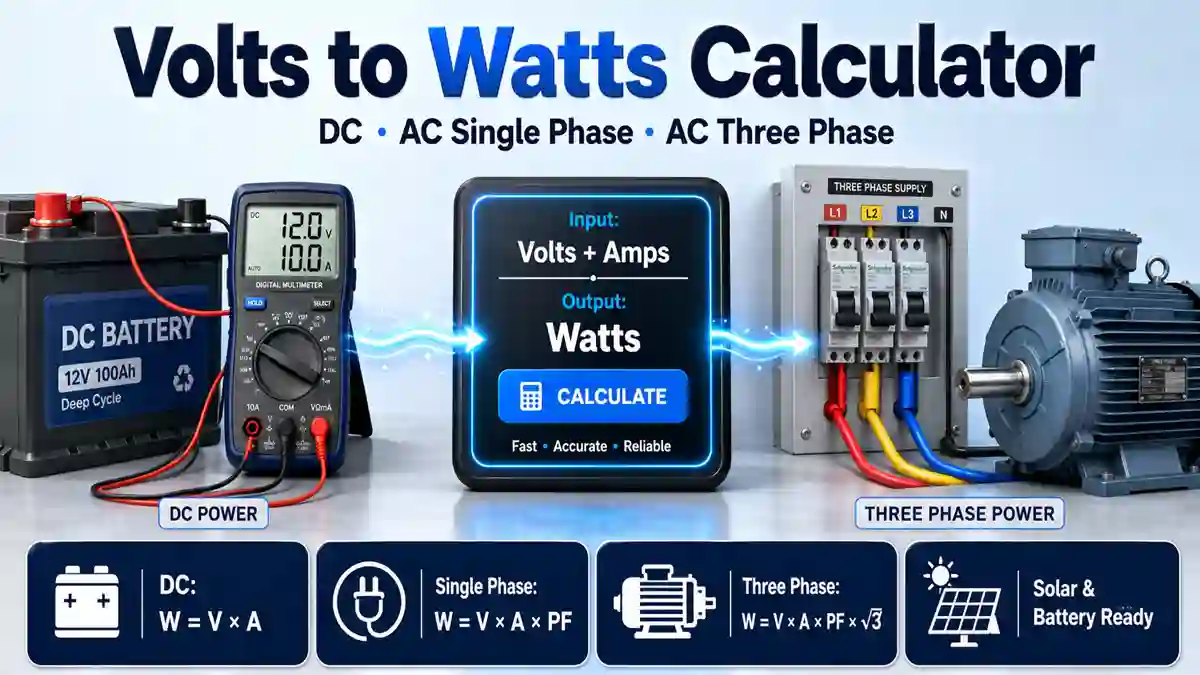
Volts to Watts Calculator — Free V to W Converter (DC & AC)

Volts to Watts Calculator showing 12V 100Ah DC battery with digital multimeter reading, calculator display, and three phase electrical panel connected to industrial motor

Free Volts to Watts Calculator — Convert volts and amps to watts instantly for DC, AC single-phase, and three-phase systems. Built for solar and batteries. Volts to Watts Calculator DC AC — Single Phase AC — Three Phase Voltage Volts (V) Current Amps (A) Voltage Volts (V) Current Amps (A) Power Factor (PF) 0 to … Read more