
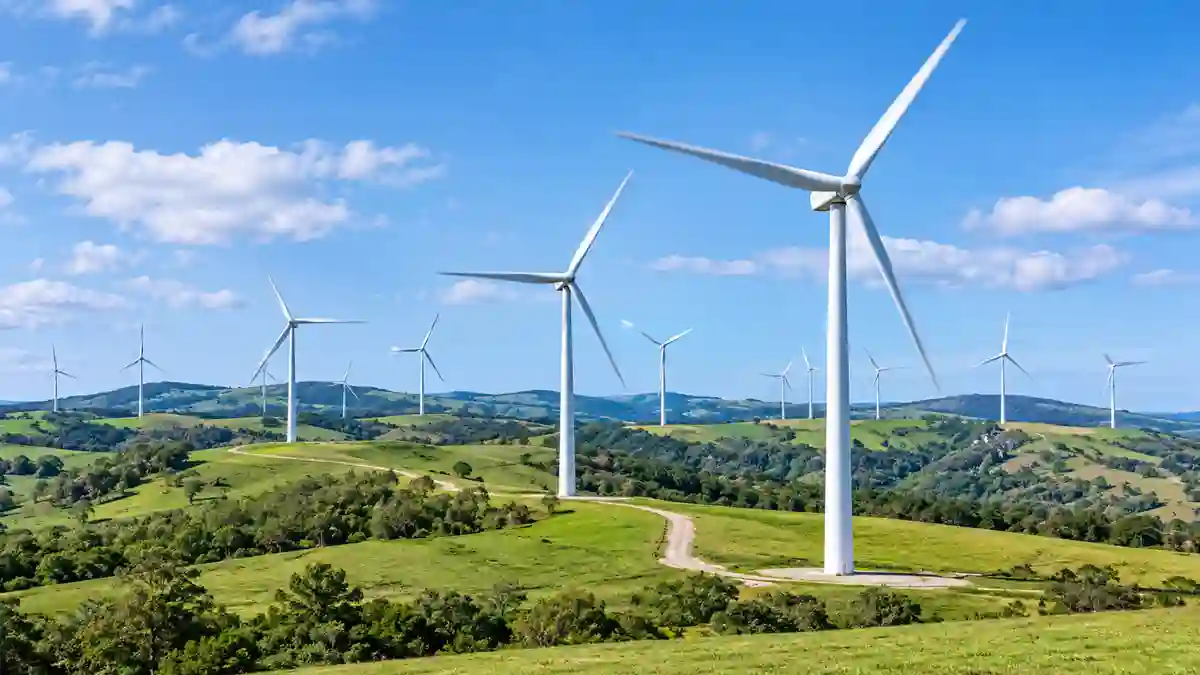
Explore the main wind energy advantages and disadvantages, including clean electricity, renewable supply, costs, intermittency, wildlife impacts and grid challenges.
Wind energy is an important source of renewable electricity, helping countries reduce dependence on fossil fuels and diversify their energy supply. Modern wind turbines convert the kinetic energy of moving air into electricity without burning fuel during operation.
However, wind power is not suitable for every location or every electricity demand. Its output depends on wind conditions, while project development can involve significant investment, transmission infrastructure, land-use considerations and environmental planning.
Understanding the wind energy advantages and disadvantages helps homeowners, businesses, policymakers and energy developers decide where this technology makes practical and economic sense.
This guide examines the major benefits and limitations of wind power, explains its technical challenges, and explores how battery storage, hybrid renewable systems and artificial intelligence can improve its integration into modern electricity networks.
What Is Wind Energy?
Wind energy is the energy available in moving air. A wind turbine captures part of this kinetic energy through its rotating blades and transfers it through a drivetrain or direct-drive generator system to produce electricity.
The amount of energy available in wind depends strongly on wind speed, air density and the area swept by the turbine blades.
The theoretical power available in the wind can be expressed as:
Wind Power Formula:
P = ½ × ρ × A × v³
Where:
- P = Power available in the wind (W)
- ρ (rho) = Air density (kg/m³)
- A = Rotor swept area (m²)
- v = Wind speed (m/s)
Important: Wind speed has a cubic effect on available wind power. If wind speed doubles, the theoretical power increases by eight times, assuming air density and rotor area remain constant.
The cubic relationship with wind speed is particularly important. If wind speed doubles, the theoretical power available in the wind increases by a factor of eight, assuming the other variables remain constant.
A turbine cannot convert all this available power into electricity. Aerodynamic limits, generator efficiency, drivetrain losses, power electronics and operating controls affect its actual electrical output.
For a more detailed explanation, see our guide to wind energy and how it works.
6 Major Advantages of Wind Energy
Wind energy offers environmental, economic and energy-system benefits. However, the value of each advantage depends on the quality of the wind resource, project design and local electricity requirements.
1. Wind Energy Is Renewable and Naturally Replenished
One of the biggest advantages of wind energy is that wind is a naturally replenished resource.
Wind is produced by uneven solar heating of the Earth’s surface, atmospheric pressure differences and the movement of air masses. Unlike coal, oil and natural gas, wind does not need to be extracted from a finite underground reserve.
A properly located wind farm can continue generating electricity as long as suitable wind conditions are available and its equipment remains operational.
This makes wind energy a useful part of long-term renewable electricity strategies.
However, renewable does not mean unlimited electricity at every location. Wind resources vary by geography, season, weather and local terrain. A project still requires a reliable wind-resource assessment before installation.
2. Wind Turbines Produce Electricity Without Burning Fuel
Wind turbines generate electricity without burning coal, natural gas or other fuels during normal operation.
As a result, they do not release direct combustion-related carbon dioxide or conventional air pollutants while generating electricity.
This can help reduce the environmental impact of electricity generation when wind power displaces fossil-fuel-based generation.
It is important to distinguish operational emissions from lifecycle emissions. Manufacturing turbine components, producing steel and composite materials, transporting equipment, constructing foundations and eventually decommissioning the facility all require energy and resources.
Therefore, wind power has low lifecycle greenhouse gas emissions compared with fossil-fuel electricity, but it is not a zero-impact technology.
3. Wind Power Can Reduce Dependence on Imported Fuels
Countries that depend heavily on imported fossil fuels can use domestic wind resources to diversify their electricity supply.
Once a wind project is operational, it does not require a continuous supply of purchased fuel. Its primary energy source is naturally available wind.
This can reduce exposure to fuel-price fluctuations and international supply disruptions.
For countries with strong wind resources, developing wind farms can support greater energy security and a more diversified generation mix.
However, energy independence is not automatic. Wind projects still depend on imported or internationally sourced equipment, spare parts, financing, grid infrastructure and technical expertise in many markets.
4. Wind Energy Can Be Cost-Competitive Over Its Operating Life
Wind turbines require substantial upfront investment, including turbine equipment, foundations, transport, installation, electrical infrastructure and grid connection.
However, once installed, wind farms do not have recurring fuel-purchase costs.
Their long-term economics depend on several factors:
- Average wind speed and consistency
- Turbine rated capacity and actual energy production
- Project construction and financing costs
- Operation and maintenance expenses
- Transmission and grid-connection requirements
- Equipment lifetime and availability
- Electricity purchase agreements and market prices
In locations with strong wind resources, land-based wind power can be a cost-competitive source of electricity.
Offshore wind projects may benefit from stronger or more consistent wind conditions, but they usually involve more complex installation, foundations, marine operations and maintenance.
There is no single cost figure that applies to every wind project. A proper financial assessment should compare the expected lifetime electricity generation with total project costs.
5. Wind Farms Can Share Land With Other Activities
Land-based wind turbines can often coexist with agriculture, grazing and other compatible land uses.
The turbine foundation and access roads occupy land, but the entire area between turbines does not necessarily need to be removed from agricultural use.
This can allow farmers and landowners to continue some existing activities while receiving additional income through land leases or project agreements.
The actual suitability depends on turbine spacing, access requirements, construction areas, safety restrictions and local land-use rules.
Careful planning is essential to avoid conflicts with agricultural operations, nearby communities and environmentally sensitive areas.
6. Wind Energy Creates Jobs and Supports Local Economies
Wind power development creates employment across several stages of a project’s life.
These activities include:
- Turbine and component manufacturing
- Civil and electrical engineering
- Site assessment and project development
- Transportation and heavy lifting
- Construction and installation
- Electrical commissioning
- Operations and maintenance
- Monitoring and technical services
Large wind projects can also generate local economic activity through construction contracts, service agreements, land leases and tax contributions.
The level of local economic benefit depends on how much equipment, labour and technical expertise can be sourced within the region.
6 Major Disadvantages of Wind Energy
Despite its advantages, wind power has limitations that must be considered before developing a project. The following disadvantages are especially important when evaluating reliability, project economics and environmental suitability.
1. Wind Energy Is Intermittent and Weather-Dependent
One of the most important disadvantages of wind energy is that electricity generation depends on available wind speed.
A wind turbine does not produce its rated power continuously. Its output changes with wind conditions and its operating control limits.
Most commercial turbines have three important wind-speed thresholds:
- Cut-in speed: The minimum wind speed at which the turbine begins generating electricity.
- Rated wind speed: The wind speed at which the turbine reaches its rated output under specified conditions.
- Cut-out speed: The wind speed at which the turbine shuts down to protect itself from excessive mechanical loading.
If wind speed falls below the cut-in level, the turbine may stop generating electricity. If wind becomes too strong, the turbine may shut down at its cut-out threshold.
This variability means wind generation cannot always match electricity demand on its own.
How can this limitation be managed?
Wind variability can be managed through a combination of:
- Battery energy storage systems
- Flexible generation resources
- Geographical diversity across wind farms
- Improved weather forecasting
- Demand-side management
- Grid interconnections
- Hybrid solar and wind systems
Wind power is therefore most effective when integrated into a properly planned electricity system rather than treated as a constant-output source.
2. Wind Projects Can Require High Initial Investment
Wind turbines are large mechanical and electrical systems. Developing a wind farm requires more than purchasing the turbines.
Project costs may include:
- Turbine and generator equipment
- Tower and foundation construction
- Land acquisition or leasing
- Road and site preparation
- Heavy transport and lifting equipment
- Electrical cabling and substations
- Grid interconnection
- Engineering, permits and environmental studies
- Commissioning and testing
Offshore projects can be even more complex because they require marine foundations, specialized installation vessels, subsea cables and access for maintenance teams.
Although wind projects have no fuel-purchase costs during operation, their initial capital requirements can make financing difficult, particularly in regions with expensive borrowing or uncertain electricity markets.
3. Wind Farms May Be Located Far From Electricity Demand
Strong wind resources are not always located close to major cities, factories or industrial electricity consumers.
Some of the best wind sites are in coastal areas, open plains, mountain passes or remote regions.
This creates a transmission challenge.
Electricity must be transported from the wind farm to the places where it is needed. Depending on the project, this may require:
- New transmission lines
- Substations and transformers
- Grid reinforcement
- Reactive power and voltage-control equipment
- Protection and communication systems
- Grid connection studies and approvals
Transmission infrastructure can increase project costs and delay development.
In some locations, wind farms may also face grid congestion or curtailment, meaning they cannot export all the electricity they could otherwise generate.
This is why wind-resource assessment and grid-connection planning should be considered together during project development.
4. Wind Turbines Can Affect Birds, Bats and Local Ecosystems
Wind energy has a lower overall environmental impact than many conventional fossil-fuel generation technologies, but wind projects can still affect wildlife.
Birds and bats may collide with rotating blades, while construction and access roads can alter or fragment habitats.
The level of impact depends on factors such as:
- Local bird and bat populations
- Migration routes
- Turbine location and layout
- Habitat conditions
- Seasonal wildlife activity
- Turbine operating practices
These impacts are not identical at every site.
Environmental assessments, careful site selection, wildlife monitoring and operational measures can reduce risks. For example, operators may temporarily curtail turbines during periods of increased wildlife activity when appropriate monitoring identifies a need.
Responsible project development should consider environmental effects before construction, during operation and at decommissioning.
5. Wind Turbines Can Create Noise and Visual Impacts
Wind turbines are large structures, and their appearance can change the character of a landscape.
Some nearby residents may consider the turbines visually intrusive, especially where large wind farms are developed near populated areas or places with scenic value.
Operating turbines also produce sound from two main sources:
- Mechanical noise from equipment such as generators, gearboxes and cooling systems
- Aerodynamic noise produced as blades move through the air
Modern turbine designs and proper maintenance help manage noise, but local conditions still matter.
Project developers should assess setbacks, background sound levels, local planning rules, terrain and community concerns before selecting a site.
Shadow flicker can also occur when rotating blades periodically cast moving shadows on nearby buildings. Its likelihood depends on turbine position, sunlight, blade rotation and the location of nearby properties.
6. Wind Turbine Components Can Be Difficult to Transport, Maintain and Recycle
Modern wind turbines contain large and specialized components, including blades, towers, generators, nacelles and electrical equipment.
Transporting these components can be difficult, particularly when a project is located far from manufacturing facilities or major ports.
Long turbine blades may require specialized trailers, route surveys, temporary road modifications and careful planning around bridges, bends and overhead obstacles.
Maintenance is another consideration.
Turbines operate in exposed conditions and require inspections, lubrication, electrical testing, monitoring and occasional replacement of major components. Offshore maintenance can be particularly challenging because of weather, vessel availability and access limitations.
Blade recycling is also an evolving issue. Many turbine blades use composite materials designed for strength, low weight and long service life. These materials can be more difficult to recycle than conventional metals.
Recycling technologies and alternative blade materials are developing, but end-of-life management should be considered during project planning.
Wind Energy Advantages and Disadvantages: Quick Comparison
The following table summarizes the main benefits and limitations of wind power.
| Advantages | Disadvantages |
|---|---|
| Renewable and naturally replenished resource | Electricity output varies with wind conditions |
| No fuel combustion during normal operation | High upfront project investment |
| Low lifecycle greenhouse gas emissions | Transmission and grid upgrades may be required |
| Can reduce dependence on imported fuels | Wildlife and habitat impacts need management |
| Can share land with compatible agricultural activities | Noise, visual impact and shadow flicker concerns |
| Creates jobs and supports local economies | Transport, maintenance and blade recycling challenges |
The table provides a general comparison. The actual advantages and disadvantages of a wind project depend on its location, design, grid connection, environmental conditions and financing.
How Battery Storage Can Help Manage Wind Energy Limitations
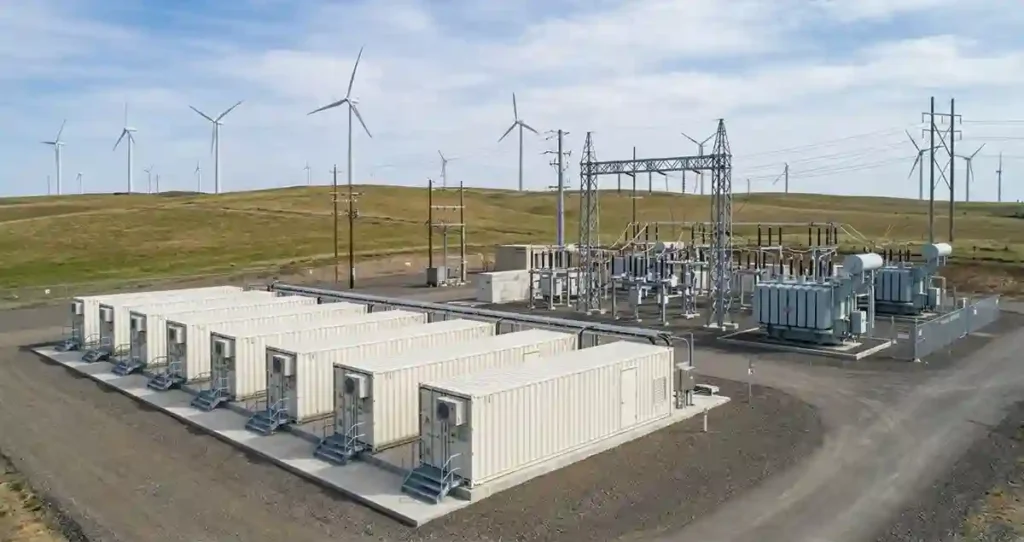
Battery storage can help address one of the main challenges of wind energy: the difference between when electricity is generated and when it is needed.
For example, a wind farm may generate more electricity during periods of strong wind than the grid or connected load can immediately use.
A battery energy storage system can absorb some of this surplus electricity and discharge it later when wind generation falls or demand increases.
A typical wind-plus-storage arrangement includes:
- Wind turbines generating variable electrical power.
- Power conversion and control equipment conditioning the electrical output.
- A battery energy storage system storing surplus electricity when conditions allow.
- An energy management system monitoring generation, battery state of charge and demand.
- Grid or load connections receiving electricity from the wind farm and storage system.
Battery storage does not create additional wind energy. It shifts some available electricity from one period to another, subject to battery capacity, power limits and round-trip efficiency.
Storage can improve flexibility and help reduce some forms of renewable energy curtailment. However, battery systems add capital cost, conversion losses, maintenance requirements and equipment lifecycle considerations.
For a broader technical explanation, see our guide to battery energy storage systems.
Wind and Solar Hybrid Systems: A Practical Combination
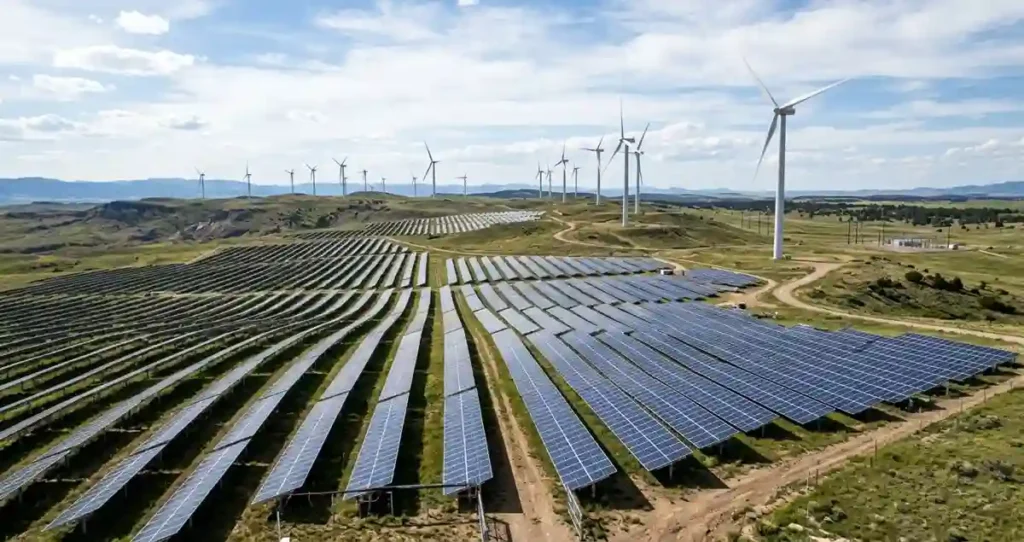
Wind and solar energy can complement each other because their generation patterns may differ by location and season.
In some regions, solar power is stronger during sunny daytime hours, while wind generation may increase at night or during other weather conditions.
However, this pattern is not guaranteed. Solar and wind resources must be evaluated using local weather and generation data.
A hybrid renewable energy system can combine:
- Solar PV panels
- Wind turbines
- Solar and wind charge-control equipment
- Battery storage
- Hybrid or grid-interactive inverters
- Energy management and protection systems
Combining the two resources can diversify electricity generation and reduce dependence on a single weather-driven source.
The system must be properly designed. Turbine voltage characteristics, PV operating ranges, battery chemistry, inverter limits, protection coordination and controller compatibility all need to be checked.
Explore our detailed guides:
- Solar and Wind Hybrid System: Design and Working
- Wind and Solar Hybrid Controller
- Solar Power and Wind Power: How They Work Together
- Off-Grid Wind Turbine Systems
Can Artificial Intelligence Improve Wind Energy Performance?
Artificial intelligence can help wind farm operators manage some of the operational challenges associated with wind power.
AI does not make the wind blow more strongly or increase the theoretical energy available in the atmosphere. Instead, it helps analyze data, forecast conditions and support better operational decisions.
Potential applications include:
1. Wind forecasting
Machine-learning models can analyze weather data, historical wind patterns and turbine measurements to estimate future wind conditions and expected power output.
2. Predictive maintenance
AI-based monitoring can analyze vibration, temperature, electrical measurements and operating trends to identify possible equipment problems before they develop into major failures.
3. Performance monitoring
Data analysis can help identify unusual changes in turbine output, compare performance between turbines and support investigation of operational losses.
4. Blade and equipment monitoring
Image analysis, sensors and condition-monitoring systems can support the inspection of turbine blades and other components.
5. Hybrid energy management
In wind, solar and battery systems, intelligent energy management can use generation forecasts, demand information and battery status to support charging, discharging and power-flow decisions.
These applications depend on reliable sensor data, suitable models, cybersecurity and engineering validation. AI recommendations must also operate within the turbine manufacturer’s control limits and applicable safety requirements.
When Is Wind Energy a Good Choice?
Wind energy is most suitable when a location has a sufficiently strong and well-characterized wind resource, suitable land or offshore conditions, and a practical route to connect generated electricity to a load or the grid.
It may be particularly useful for:
- Utility-scale electricity generation
- Coastal and open-land renewable energy projects
- Farms and rural properties with suitable wind conditions
- Remote sites where grid access is limited
- Hybrid solar and wind installations
- Industrial or commercial energy projects with appropriate generation and storage design
However, a small wind turbine is not automatically a good investment for every home.
Before installing a residential turbine, the available wind speed, turbulence, tower height, nearby obstructions, noise limits, maintenance access and expected energy production should be evaluated.
For more information, read our guide to home wind turbines, their cost and expected output.
Is Wind Energy Better Than Solar Energy?
Wind and solar power are both important renewable energy technologies, but neither is universally better.
Their suitability depends on the available resource, project scale, electricity demand, installation conditions and financial requirements.
| Comparison | Wind Energy | Solar Energy |
|---|---|---|
| Primary resource | Moving air | Sunlight |
| Generation pattern | Depends on wind conditions | Depends on sunlight and weather |
| Nighttime generation | Possible when wind is available | No generation without sunlight |
| Main equipment | Wind turbine, tower and generator | PV modules, mounting and inverter |
| Site considerations | Wind speed, turbulence, tower and setbacks | Solar irradiance, shading and usable area |
| Maintenance | Mechanical and electrical inspection | Mainly electrical inspection and panel cleaning |
| Storage requirement | Depends on the system and demand | Depends on the system and demand |
In some locations, solar energy is more practical because installation is simpler and the solar resource is predictable enough for the intended application. In other locations, strong wind resources can make wind power attractive.
A hybrid system can be a better option where both resources are suitable and their generation patterns complement each other.
For a deeper comparison, see Solar and Wind Energy: Key Differences and Applications.
Frequently Asked Questions About Wind Energy Advantages and Disadvantages
What are the main advantages of wind energy?
The main advantages are that wind is renewable, turbines generate electricity without fuel combustion during operation, wind power can reduce dependence on imported fuels, and wind farms can create employment and support local economies.
What are the biggest disadvantages of wind energy?
The main disadvantages include variable electricity generation, high initial project investment, transmission requirements, potential wildlife impacts, noise and visual concerns, and challenges associated with transporting, maintaining and recycling turbine components.
Is wind energy completely clean?
Wind turbines produce electricity without burning fuel during normal operation, so they have no direct combustion emissions while generating power. However, manufacturing, construction, transportation and decommissioning have environmental impacts. Wind power is a low-lifecycle-emission energy source, not a zero-impact technology.
Why is wind energy considered unreliable?
Wind energy is variable because wind speed changes with weather and location. Turbines may generate below their rated capacity or stop operating when wind speeds fall outside their operating range. Forecasting, grid flexibility, geographical diversity and energy storage can help manage this variability.
Can wind energy work without batteries?
Yes. Grid-connected wind farms can supply electricity directly to the grid without requiring an on-site battery system. However, off-grid wind systems often need battery storage or another suitable source of backup power to maintain supply when wind generation is insufficient.
Is wind energy cheaper than solar energy?
There is no universal answer. Costs depend on local wind and solar resources, equipment prices, installation conditions, financing, maintenance and grid connection. In some regions, land-based wind is highly competitive; in others, solar PV is more economical.
Do wind turbines harm birds and bats?
Wind turbines can cause bird and bat collisions, and wind farm construction may affect habitats. The impact varies by location and species. Proper site selection, environmental monitoring and operational mitigation measures can reduce these risks.
Can wind energy provide electricity at night?
Yes. Wind turbines can generate electricity at night if sufficient wind is available. Unlike solar PV, wind generation does not depend on daylight, although its output remains weather-dependent.
Can wind energy and solar energy be used together?
Yes. Solar PV and wind turbines can be combined in a hybrid system with compatible controllers, inverters and battery storage. The combination can diversify renewable generation, but its performance depends on local solar and wind conditions.
What is the future of wind energy?
Wind energy is expected to remain an important part of renewable electricity development. Improvements in turbine design, forecasting, monitoring, materials, offshore technology and grid integration can help address existing challenges. The pace of development will depend on project economics, infrastructure, regulation and environmental planning.
Final Verdict: Are the Advantages of Wind Energy Greater Than Its Disadvantages?
Wind energy offers significant benefits, particularly its renewable nature, lack of direct fuel-combustion emissions during operation, potential to reduce fossil-fuel dependence and ability to support diversified electricity generation.
However, its variable output, initial investment, transmission requirements and environmental considerations cannot be ignored.
The best approach is to evaluate wind energy based on actual site conditions rather than assuming that every location is suitable.
For a successful project, developers should assess wind resources, estimate realistic energy production, evaluate grid or load requirements, consider storage where necessary, and plan for environmental impacts and long-term maintenance.
Wind energy is not a perfect replacement for every energy source, but when properly located, engineered and integrated, it can be a valuable part of a reliable and lower-carbon electricity system.
Engineer’s Note: A wind turbine’s rated capacity does not tell you how much electricity it will generate over a year. Actual energy production depends on the wind resource, turbine power curve, hub height, availability, electrical losses and operating conditions.
For a realistic assessment, use measured or validated wind-resource data and calculate expected annual energy production rather than relying only on the turbine’s nameplate rating.
References and Further Reading
- U.S. Department of Energy – Advantages and Challenges of Wind Energy
- U.S. Department of Energy – What Is Wind Energy?
- U.S. Department of Energy – Environment and Wildlife
- U.S. Department of Energy – Birds and Bats
- U.S. Geological Survey – Wind Energy and Wildlife
- U.S. Government Accountability Office – Wind Energy: Technologies and Approaches to Help Address Environmental Effects
- Stanford Understand Energy – Wind Energy
Related guides
- Solar and Wind Hybrid System: Design, Sizing, Cost, and Working
- Wind and Solar Hybrid Controller: Wiring, Inputs and Protection
- Home Wind Turbine: Cost, Output, Sizing and Is It Worth It?
- Wind Turbine Inverter: Grid-Tie, Off-Grid and Hybrid Options
- Home Wind Turbine Kits: What You Need and How to Choose
- Wind Turbine Parts Explained: Components and Their Functions
- Off-Grid Wind Turbine: Sizing, Batteries and System Design
- 7 Powerful Benefits of Solar Power and Wind Power
- Solar and Wind Energy: 7 Key Differences, Pros, Cons and Best Uses
- Wind Turbine Blade: 7 Powerful Facts About Size and Design
- Wind Energy: How It Works, Benefits and Limitations
- Wind Turbine Nacelle: Components, Function and How It Works
- Wind Turbine Height: How Tall Are Wind Turbines?
Related guides on SolarVisionAI.com
- Monocrystalline Solar Panels 2026: Still Worth It or Hype
- Polycrystalline Solar Panels: Worth Buying in 2026?
- Thin-film Solar Panels: When They Beat Silicon (2026)
- BIPV Solar Panels: Building-Integrated PV Complete Guide
- Portable Solar Panels: Engineer’s Buyer’s Guide 2026
- CPV Solar Panels: Concentrated Photovoltaic Explained
- Skin Solar Panel: What “Solar Skin” Actually Means
- Solar Fence Post Lights: Cap Sizes, Types & Install Guide
- Bifacial Solar Panels in 2026: How to Boost Energy Output
- Solar Charge Controller: The Complete Guide
- MC4 Connectors: Solar Safety & Installation Guide
- Solar Panel Types, Efficiency & Benefits
- Solar Water Pump Guide
- Commercial Solar Panel Installation: Engineering Guide
- Solar Fence Post Lights: Cap Sizes, Types & Install Guide
- BESS — Battery Energy Storage System Guide
- Commercial Solar Panel Installation
- Solar Refrigerator & DC Fridge — Complete 2026 Guide
- Bifacial Solar Panel Albedo Effect Guide
- TOPCon: Why TOPCon Solar Panel is a Proven Smart Investment in 2026
- HJT: HJT Solar Panels: Why Heterojunction Is the Hot Climate Champion
- PERC: PERC Solar Panel: Still Relevant or Already Outdated?
- Perovskite: Perovskite Solar Panels: The 2026 Reality Check
- N-Type vs P-Type: N-Type vs P-Type Solar Panels: Honest Comparison
- ABC: ABC (all back contact) Solar Panel: Back Contact Technology Explained
- IBC: IBC Solar Panels: Interdigitated Back Contact Guide
- Tandem: Tandem Solar Panels: Are Stacked Cells Ready for Rooftops?